
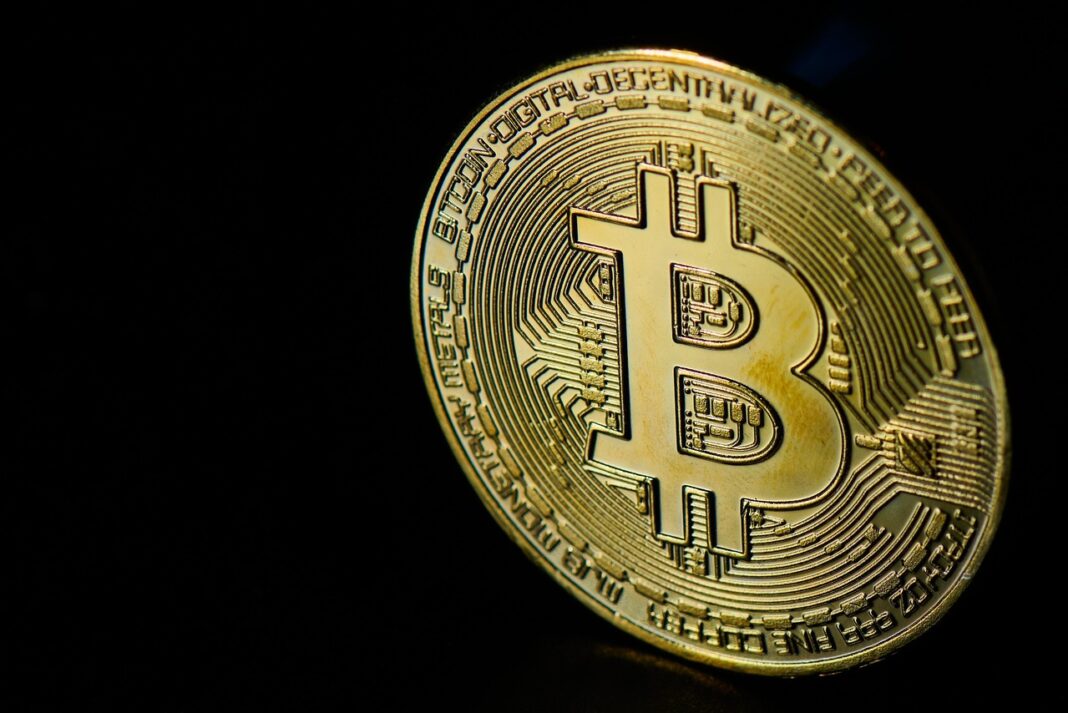

The world of cryptocurrency, once a niche interest, has exploded into mainstream consciousness, offering exciting new avenues for investment and technological innovation. From Bitcoin’s meteoric rise to the burgeoning ecosystem of DeFi and NFTs, digital assets are reshaping our financial landscape. If you’ve been watching from the sidelines, wondering how to participate and buy crypto yourself, you’re in the right place. This comprehensive guide will demystify the process, providing you with the knowledge and actionable steps to confidently make your first cryptocurrency purchase.
Understanding the Basics Before You Buy Crypto
Before diving into transactions, it’s crucial to grasp a few fundamental concepts. Cryptocurrency operates on a decentralized network called a blockchain, offering transparency, security, and often, lower transaction costs compared to traditional banking. Each crypto asset serves a different purpose, and understanding what you’re buying is key.
What is Cryptocurrency?
Cryptocurrency is a digital or virtual currency secured by cryptography, which makes it nearly impossible to counterfeit or double-spend. Many cryptocurrencies are decentralized networks based on blockchain technology—a distributed ledger enforced by a disparate network of computers.
- Decentralization: No single authority controls the network, reducing the risk of censorship or manipulation.
- Security: Transactions are encrypted and immutable, providing a high level of security.
- Transparency: All transactions are recorded on a public ledger, visible to anyone.
- Global Accessibility: Crypto can be sent and received anywhere in the world, often much faster and cheaper than traditional bank transfers.
Key Considerations Before Investing
Investing in crypto comes with its own set of risks and rewards. It’s not for everyone, and careful consideration is paramount.
- Volatility: Cryptocurrency markets are known for extreme price fluctuations. Be prepared for significant ups and downs.
- Research: Don’t invest based on hype. Understand the technology, team, use case, and market capitalization of any asset you consider. For example, Bitcoin (BTC) and Ethereum (ETH) are the largest and most established, but thousands of altcoins exist.
- Risk Tolerance: Only invest what you can afford to lose. Cryptocurrency is a high-risk, high-reward asset class.
- Long-term vs. Short-term: Decide whether you’re looking for quick gains (trading) or believe in the long-term potential of the technology (investing).
Actionable Takeaway: Educate yourself thoroughly about the specific cryptocurrencies you’re interested in and assess your personal risk tolerance before committing any capital.
Choosing the Right Crypto Exchange
A cryptocurrency exchange is a platform where you can buy, sell, or trade cryptocurrency. Think of it like a stockbroker for digital assets. Selecting the right exchange is a critical first step.
Centralized vs. Decentralized Exchanges (CEX vs. DEX)
The crypto world offers different types of platforms, each with unique characteristics.
- Centralized Exchanges (CEX): These are the most common and user-friendly. They operate similarly to traditional financial institutions, holding your funds and facilitating trades. Examples include Coinbase, Binance, Kraken, and Gemini.
- Pros: Easy to use, high liquidity, offer fiat-to-crypto conversion, customer support, typically more secure against user errors.
- Cons: Require KYC (Know Your Customer) verification, you don’t fully control your private keys (your funds are held by the exchange), potential single point of failure for hackers.
- Decentralized Exchanges (DEX): These platforms allow peer-to-peer cryptocurrency transactions directly from your wallet, without an intermediary. Examples include Uniswap, SushiSwap, and PancakeSwap.
- Pros: No KYC required (often), full control over your private keys, censorship-resistant.
- Cons: More complex to use, lower liquidity for certain pairs, no fiat-to-crypto conversion, higher risk of user error.
Factors to Consider When Choosing an Exchange
When looking to buy cryptocurrency, consider these vital aspects:
- Security: Look for exchanges with strong security measures like two-factor authentication (2FA), cold storage for funds, and insurance policies.
- Fees: Transaction fees, deposit fees, withdrawal fees, and trading fees can vary significantly. Compare them carefully.
- Supported Cryptocurrencies: Ensure the exchange supports the specific digital assets you want to invest in crypto.
- Payment Methods: Does it support your preferred payment methods (e.g., bank transfer, debit/credit card, PayPal)?
- User Interface: Is the platform intuitive and easy to navigate, especially for beginners?
- Customer Support: Good customer service can be invaluable if you encounter issues.
- Jurisdiction & Regulations: Ensure the exchange operates legally in your region and complies with local regulations.
Practical Example: If you’re a beginner wanting to buy Bitcoin or Ethereum with a bank transfer, Coinbase or Kraken might be excellent choices due to their user-friendly interface, strong security, and support for fiat deposits.
Actionable Takeaway: For most beginners, a reputable Centralized Exchange (CEX) like Coinbase, Binance, or Kraken offers the best balance of ease of use, security, and liquidity to start buying crypto.
Setting Up and Funding Your Account
Once you’ve chosen an exchange, the next steps involve creating and verifying your account, then depositing funds.
Account Registration and KYC Verification
To comply with anti-money laundering (AML) and know-your-customer (KYC) regulations, most CEXs require identity verification.
- Sign Up: Create an account using your email address and a strong password. Enable 2FA immediately.
- Verify Email/Phone: Confirm your contact details.
- Identity Verification (KYC): You’ll typically need to provide:
- Government-issued ID (passport, driver’s license)
- Proof of address (utility bill, bank statement)
- Sometimes a selfie holding your ID for liveness detection.
This process can take anywhere from a few minutes to a few days, depending on the exchange and your region.
Funding Your Exchange Account
After successful verification, you’re ready to deposit funds. Exchanges typically offer several funding methods for buying crypto:
- Bank Transfer (ACH/SEPA/Wire): Often the cheapest method, but can take 1-5 business days to clear.
- Example: Link your bank account and initiate an ACH transfer of $500 to your exchange wallet.
- Debit Card: Usually instant, but often comes with higher fees (e.g., 2-4% per transaction).
- Example: Use your Visa debit card to instantly purchase $100 worth of Bitcoin.
- Credit Card: Similar to debit cards in speed and fees, but some banks might block crypto purchases or treat them as cash advances with even higher fees.
- Warning: Using a credit card to buy crypto is generally not recommended due to high interest rates if you don’t pay off the balance immediately.
- Other Cryptocurrencies: If you already own crypto on another platform or wallet, you can deposit it into your exchange account.
Actionable Takeaway: Complete your KYC verification well in advance and consider using bank transfers for larger sums to minimize fees, even if it means a slight delay.
Making Your First Cryptocurrency Purchase
With a funded account, you’re now ready to execute your first trade and invest in crypto!
Navigating the Trading Interface
While interfaces vary, most exchanges have similar core functionalities:
- Dashboard/Home: Overview of your portfolio, market trends, and quick buy/sell options.
- Buy/Sell Section: Where you initiate trades.
- Wallet/Portfolio: Shows your balances of different cryptocurrencies and fiat.
- Markets: Lists available trading pairs (e.g., BTC/USD, ETH/USDT).
Types of Orders
Understanding order types is crucial for efficient trading:
- Market Order: This is the simplest and quickest way to buy or sell. You specify the amount of crypto (e.g., “buy $100 of Bitcoin”), and the order is executed immediately at the best available market price.
- Best for: Beginners and those prioritizing speed over a specific price.
- Example: You want to quickly buy Bitcoin. You place a market order for $200 worth of BTC, and it fills instantly at the current market rate.
- Limit Order: You set a specific price at which you want to buy or sell. The order will only execute if the market reaches your specified price or better.
- Best for: Traders who want to buy at a lower price than the current market or sell at a higher price.
- Example: Bitcoin is trading at $30,000, but you believe it will dip to $29,000. You place a limit buy order for 0.01 BTC at $29,000. Your order will sit open until BTC hits $29,000 or you cancel it.
Tip: For your first purchase, a market order is often the easiest way to get started. As you gain experience, experiment with limit orders to potentially get better prices.
Executing Your Purchase
- Select “Buy” or “Trade”: Navigate to the relevant section on your chosen exchange.
- Choose Cryptocurrency: Select the asset you wish to buy crypto (e.g., Bitcoin, Ethereum, Cardano).
- Enter Amount: Specify how much you want to spend in fiat currency (e.g., “$100 USD”) or how much crypto you want to acquire (e.g., “0.005 BTC”).
- Choose Order Type: Select “Market Order” for simplicity initially.
- Review and Confirm: Double-check all details, including the amount, price, and estimated fees.
- Confirm Purchase: Execute the trade. Your crypto will appear in your exchange wallet shortly.
Actionable Takeaway: Start with a small, manageable amount using a market order to get comfortable with the process, then explore limit orders for more strategic purchases.
Securing Your Digital Assets
Once you’ve made your purchase, securing your digital assets is paramount. Exchanges are convenient for buying and selling, but they are not always the safest place for long-term storage.
Understanding Crypto Wallets
A crypto wallet is a tool that allows you to store your public and private keys, which are necessary to send and receive cryptocurrencies. It doesn’t actually hold your crypto, but rather the keys that prove ownership on the blockchain.
- Hot Wallets: Connected to the internet. Convenient for frequent transactions.
- Exchange Wallets: Built into the exchange platform. Easy to use but less secure as the exchange holds your private keys.
- Software Wallets (Desktop/Mobile Apps): Installed on your device (e.g., MetaMask, Trust Wallet, Exodus). You control your private keys, but they are still vulnerable if your device is compromised.
- Cold Wallets: Not connected to the internet. Offer the highest level of security for long-term storage.
- Hardware Wallets: Physical devices resembling USB drives (e.g., Ledger, Trezor). They store your private keys offline. Highly recommended for significant holdings.
- Paper Wallets: Your public and private keys printed on a piece of paper. Generally outdated and risky due to potential for loss or damage.
Best Practices for Securing Your Crypto
Protecting your investment requires vigilance and adherence to security protocols.
- Enable 2FA: Always use Two-Factor Authentication (2FA) on your exchange account and any software wallets. Authenticator apps (like Google Authenticator or Authy) are generally more secure than SMS 2FA.
- Use Strong, Unique Passwords: Never reuse passwords, and ensure they are complex.
- Beware of Phishing: Always double-check URLs and email addresses. Scammers often create fake websites or send malicious emails to steal your credentials.
- Backup Seed Phrase: For software and hardware wallets, you’ll receive a “seed phrase” (12-24 words). This is your ultimate backup. Write it down offline, store it securely, and never share it.
- Example: If you buy Ethereum and transfer it to a MetaMask wallet, carefully write down your 12-word seed phrase on paper and store it in a safe deposit box or fireproof safe.
- Cold Storage for Long-Term Holdings: For any significant amount of cryptocurrency investment, transfer it from the exchange to a hardware wallet (cold storage).
- Regular Software Updates: Keep your wallet software and operating system updated to patch security vulnerabilities.
Actionable Takeaway: For any crypto you don’t intend to trade immediately, transfer it to a hardware wallet for maximum security. Treat your seed phrase like physical gold.
Navigating Risks and Investing Responsibly
While the potential rewards of crypto are alluring, a responsible approach to investment is essential.
Understanding Market Volatility and Scams
The crypto market is notoriously volatile. Prices can swing wildly in a short period due to market sentiment, regulatory news, technological developments, or even social media trends. Beyond market risk, the crypto space is also unfortunately ripe with scams.
- Rug Pulls: Developers abandon a project after taking investors’ money.
- Ponzi Schemes: Promises of high returns paid out by funds from new investors.
- Phishing/Malware: Attempts to steal your private keys or exchange login details.
- Pump-and-Dump Schemes: Artificially inflating a coin’s price through false hype, then selling off holdings once the price is high.
Tip: Always be skeptical of projects promising guaranteed high returns or unsolicited offers.
Diversification and Dollar-Cost Averaging
These strategies can help mitigate risk when you buy crypto.
- Diversification: Don’t put all your eggs in one basket. Instead of investing 100% in one cryptocurrency, consider allocating your capital across several different assets (e.g., 60% Bitcoin, 30% Ethereum, 10% other promising altcoins).
- Dollar-Cost Averaging (DCA): Instead of making one large lump-sum investment, invest a fixed amount of money at regular intervals (e.g., $50 every week, or $200 every month). This strategy helps to average out your purchase price over time, reducing the impact of market volatility.
- Example: You decide to invest in crypto by buying $100 of Bitcoin every two weeks for six months, regardless of the price. This mitigates the risk of buying only when the price is at its peak.
Staying Informed and Tax Implications
- Continuous Learning: Follow reputable crypto news sources, blogs, and analysts. The space evolves rapidly.
- Regulatory Landscape: Be aware of the tax implications of buying, selling, and trading cryptocurrency in your jurisdiction. Many countries treat crypto as property, meaning capital gains taxes may apply. Consult a tax professional.
Actionable Takeaway: Adopt a long-term perspective, employ diversification and dollar-cost averaging, and stay continuously informed about market developments and tax obligations.
Conclusion
Embarking on your journey to buy crypto can feel daunting at first, but by following a structured approach, you can navigate the process confidently. From choosing a reliable exchange and securing your account to making your first purchase and safeguarding your assets, each step is crucial. Remember to prioritize research, security, and a responsible investment strategy. The world of digital assets offers immense potential, and with the right knowledge, you’re now equipped to explore it and become a part of the decentralized future. Happy investing!