

The world of cryptocurrency can feel like an exclusive club, filled with complex jargon, rapidly changing prices, and news headlines that swing from sensational gains to catastrophic losses. For many, it’s an intriguing yet intimidating frontier. But what if you could demystify the blockchain, understand what Bitcoin truly is, and learn how to safely take your first steps into this revolutionary digital economy? This guide is designed to cut through the noise, offering a clear, professional, and accessible introduction to cryptocurrency, helping you confidently navigate its exciting potential.
What Exactly is Cryptocurrency?
Beyond Digital Cash: A New Paradigm
At its core, cryptocurrency is a form of digital or virtual money that uses cryptography for security. Unlike traditional currencies like the US dollar or Euro, which are issued and controlled by central banks, most cryptocurrencies are decentralized. This means they operate on a technology called a blockchain, a distributed public ledger managed by a network of computers rather than a single authority.
- Decentralization: No single entity (like a bank or government) controls it. This fosters transparency and can reduce the risk of censorship or manipulation.
- Peer-to-Peer Transactions: You can send crypto directly to another person anywhere in the world, often with lower fees and faster speeds than traditional banking systems.
- Global Accessibility: Anyone with an internet connection can access cryptocurrency, potentially serving the unbanked population worldwide.
Key Characteristics of Crypto
Understanding these fundamental traits will help you grasp why cryptocurrencies are considered a groundbreaking innovation:
- Cryptography: This advanced encryption ensures the security of transactions and controls the creation of new units of cryptocurrency. It’s the “crypto” in cryptocurrency.
- Immutability: Once a transaction is recorded on the blockchain, it cannot be altered or removed. This creates a tamper-proof record of all activity.
- Transparency (Pseudo-Anonymity): While user identities are typically pseudonymous (represented by wallet addresses), all transactions are publicly visible on the blockchain.
- Programmability: Many cryptocurrencies, especially those built on platforms like Ethereum, allow for “smart contracts” – self-executing agreements whose terms are directly written into code. This opens doors for decentralized applications (dApps) and decentralized finance (DeFi).
Actionable Takeaway: Grasping the decentralized, secure, and transparent nature of cryptocurrency is crucial. It’s not just digital money; it’s a new system built on trust through technology, not intermediaries.
The Blockchain: The Backbone of Crypto
How Does Blockchain Work?
Imagine a digital ledger that’s not stored in one place, but rather copied and distributed across thousands of computers worldwide. This is essentially a blockchain. Here’s a simplified breakdown:
- Transactions: When someone sends cryptocurrency, this transaction is broadcast to the network.
- Blocks: Multiple pending transactions are grouped together into a “block.”
- Validation (Mining/Staking): Computers on the network (miners or validators) compete to solve complex mathematical puzzles or stake their existing crypto to verify these transactions and add the new block to the chain.
- Chaining: Once validated, the new block is cryptographically linked to the previous block, forming a continuous “chain” of blocks. Each block contains a unique identifier (hash) of the previous block, making it nearly impossible to alter.
- Consensus: The updated ledger (with the new block) is then distributed to all participants on the network, ensuring everyone has an identical and up-to-date record.
This process ensures that every transaction is verified and recorded permanently, creating an unchangeable and transparent history.
Why is Blockchain Important?
The innovation of blockchain technology extends far beyond just enabling digital money. Its core attributes provide significant advantages:
- Enhanced Security: The decentralized and immutable nature makes it highly resistant to hacking and fraud. There’s no single point of failure.
- Increased Transparency: All transactions are publicly viewable on the network, fostering trust and accountability.
- Reduced Costs and Faster Transactions: By removing intermediaries, blockchain can streamline processes, leading to lower fees and quicker settlement times for international transfers, for example.
- New Applications: Blockchain enables entirely new applications beyond finance, including supply chain management, digital identity, voting systems, and more.
Actionable Takeaway: Understanding blockchain is key to appreciating crypto’s value proposition. It’s the ingenious technology that makes decentralized digital money possible and secure, building a foundation for a new internet of value.
Diving into the Crypto Market: Bitcoin, Altcoins, and Beyond
Bitcoin: The Original Innovator
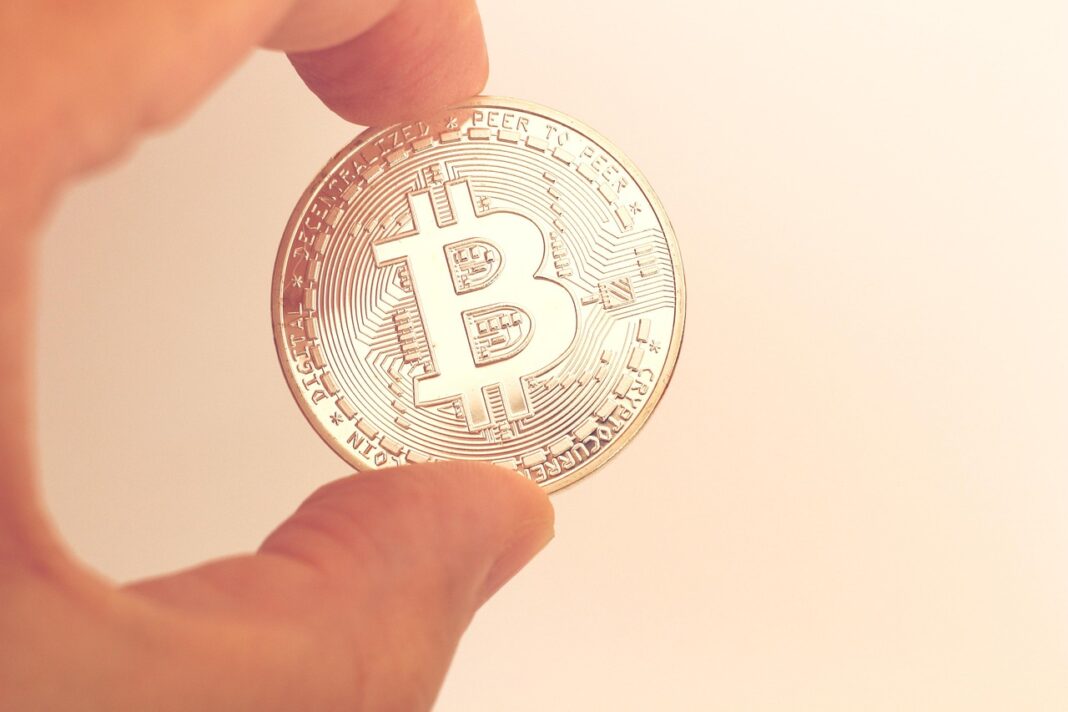
Launched in 2009 by an anonymous entity known as Satoshi Nakamoto, Bitcoin (BTC) is the world’s first and largest cryptocurrency by market capitalization. It was created as a peer-to-peer electronic cash system. Today, Bitcoin is often seen as “digital gold” – a store of value and an inflation hedge, due to its capped supply of 21 million coins, making it inherently scarce.
- Key Role: Benchmark for the entire crypto market, often driving overall market sentiment.
- Use Case: Store of value, secure and decentralized transfers, hedging against traditional financial systems.
Altcoins: The World Beyond Bitcoin
Any cryptocurrency other than Bitcoin is generally referred to as an “altcoin” (alternative coin). The altcoin market is vast and diverse, with thousands of different projects, each with unique features, technologies, and use cases.
- Ethereum (ETH): The second-largest cryptocurrency, Ethereum introduced smart contracts, allowing developers to build decentralized applications (dApps) and entire ecosystems like decentralized finance (DeFi) and Non-Fungible Tokens (NFTs). Its native currency, Ether, powers transactions and smart contract execution on the network.
- Solana (SOL): Known for its high transaction speeds and low fees, Solana aims to be a high-performance blockchain for decentralized applications and crypto projects.
- Ripple (XRP): Designed for fast and low-cost international payments, XRP is primarily used by financial institutions for cross-border transactions.
- Cardano (ADA): A research-driven blockchain platform focused on security, scalability, and sustainability, often positioned as an alternative to Ethereum.
These are just a few examples; the altcoin space is constantly evolving with new innovations.
Stablecoins: Bridging the Gap
Stablecoins are a special class of cryptocurrencies designed to minimize price volatility. They achieve this by pegging their value to a stable asset, most commonly a fiat currency like the US dollar, or sometimes to commodities like gold. This makes them crucial for:
- Reducing Volatility: Users can “park” their funds in stablecoins during periods of market uncertainty without fully exiting the crypto ecosystem.
- Facilitating Trading: Stablecoins are widely used for trading pairs on exchanges, allowing quick entry and exit from volatile assets.
- Easier Transfers: They offer the benefits of blockchain (speed, low cost) with the stability of traditional currencies.
Examples include Tether (USDT), USD Coin (USDC), and Binance USD (BUSD), all pegged 1:1 to the US dollar.
Actionable Takeaway: While Bitcoin is foundational, exploring altcoins and stablecoins reveals the breadth of innovation in crypto. Research different projects and their underlying technology to understand their potential use cases and risks beyond just price action.
Getting Started: Your First Steps in Crypto Investing
Choosing a Crypto Exchange
A cryptocurrency exchange is a platform where you can buy, sell, and trade cryptocurrencies. Think of it like a stockbroker for digital assets. For beginners, choosing a reputable and user-friendly exchange is paramount.
- Reputation & Security: Look for exchanges with a strong track record, robust security measures (e.g., cold storage for customer funds, insurance), and positive user reviews.
- User Interface: Choose an exchange that’s easy to navigate, especially for your first purchase.
- Supported Cryptocurrencies: Ensure the exchange offers the cryptocurrencies you’re interested in buying.
- Fees: Understand the trading fees, deposit fees, and withdrawal fees. These can vary significantly.
- Customer Support: Good customer service is crucial if you encounter issues.
Popular Beginner-Friendly Exchanges:
- Coinbase: Known for its simple interface and strong regulatory compliance, excellent for first-time buyers.
- Binance: Offers a vast selection of cryptocurrencies and advanced trading features, with a user-friendly “Lite” mode for beginners.
- Kraken: Respected for its security, comprehensive features, and good customer support.
You’ll typically need to complete a Know Your Customer (KYC) process, which involves verifying your identity, a standard regulatory requirement.
Understanding Crypto Wallets
Once you buy crypto, you need a place to store it. A crypto wallet is a software or hardware device that stores the private keys required to access your cryptocurrencies. It’s not like a physical wallet holding cash; it holds the keys to your digital assets on the blockchain.
- Hot Wallets (Software Wallets):
- Exchange Wallets: Funds stored directly on an exchange. Convenient but less secure as you don’t control the private keys.
- Web Wallets: Accessed via a web browser (e.g., MetaMask).
- Mobile Wallets: Apps on your smartphone (e.g., Trust Wallet, Exodus).
- Desktop Wallets: Software installed on your computer.
- Cold Wallets (Hardware Wallets):
- Physical devices (like a USB stick) that store your private keys offline. Examples: Ledger, Trezor.
Pros: Easy to use, convenient for frequent trading. Cons: More vulnerable to online threats due to constant internet connection.
Pros: Most secure option for long-term storage, completely offline. Cons: Less convenient for frequent transactions, typically more expensive.
Key Principle: “Not Your Keys, Not Your Crypto.” If you don’t hold the private keys to your wallet, you don’t have full control over your assets. Exchange wallets mean the exchange holds your keys.
Your First Purchase: A Step-by-Step Guide (Simplified)
While specifics vary by exchange, the general process is:
- Create an Account: Sign up on your chosen exchange and complete KYC verification.
- Fund Your Account: Link your bank account, debit card, or use other payment methods to deposit fiat currency (e.g., USD, EUR).
- Choose Your Crypto: Navigate to the “buy” or “trade” section and select the cryptocurrency you wish to purchase (e.g., Bitcoin, Ethereum).
- Enter Amount: Specify how much fiat currency you want to spend or how much crypto you want to buy.
- Place Order: Review the details and confirm your purchase.
- Consider Withdrawal to a Private Wallet: For larger amounts or long-term holdings, consider moving your crypto from the exchange to a hardware wallet.
Actionable Takeaway: Start small, research thoroughly, and prioritize security when setting up your exchange account and choosing a wallet. For significant holdings, a hardware wallet is strongly recommended.
Navigating the Crypto Landscape Safely and Smartly
Common Crypto Scams to Watch Out For
The unregulated nature of crypto, combined with its innovative appeal, unfortunately attracts scammers. Be vigilant:
- Phishing Scams: Fake websites or emails mimicking legitimate exchanges, trying to steal your login credentials. Always double-check URLs.
- Fake Giveaways/Airdrops: Promises of free crypto if you send a small amount first. Reputable projects do not ask for crypto to receive a giveaway.
- “Pump and Dump” Schemes: Scammers artificially inflate the price of a low-value coin through misleading promotions, then sell their holdings at the peak, leaving others with worthless assets.
- Rug Pulls: Developers of a new crypto project abandon it, taking investors’ funds with them, usually after listing on decentralized exchanges.
- Impersonation Scams: Scammers pretending to be technical support, celebrities, or government officials, asking for your seed phrase or to send them crypto.
Essential Security Practices
Protecting your digital assets is paramount. Adopt these habits:
- Enable Two-Factor Authentication (2FA): Always use 2FA on your exchange accounts and wallets. Authenticator apps (e.g., Google Authenticator, Authy) are more secure than SMS-based 2FA.
- Use Strong, Unique Passwords: Never reuse passwords, and use a password manager.
- Beware of Unsolicited Messages: Treat any direct messages, emails, or calls about your crypto with extreme skepticism.
- Secure Your Seed Phrase: Your “seed phrase” (a list of 12-24 words) is the master key to your non-custodial wallet. Write it down, store it offline in a secure location (or multiple secure locations), and never share it with anyone.
- Keep Software Updated: Ensure your operating system, browser, and crypto wallet apps are always up to date.
Key Investment Principles for Newbies
Entering the crypto market requires a disciplined and informed approach:
- Do Your Own Research (DYOR): Don’t rely solely on social media hype. Understand the project’s whitepaper, technology, team, use case, and market cap.
- Only Invest What You Can Afford to Lose: Crypto is highly volatile. Never invest funds that you need for rent, bills, or emergencies.
- Start Small: Begin with a small amount to get comfortable with the process and market fluctuations.
- Dollar-Cost Averaging (DCA): Instead of investing a large lump sum at once, invest a fixed amount regularly (e.g., $50 every week or month), regardless of price. This helps reduce the impact of volatility.
- Think Long-Term: Many seasoned crypto investors advocate for a long-term (HODL) strategy to ride out market corrections and benefit from potential growth over years.
- Diversify (Responsibly): Don’t put all your funds into one crypto. However, avoid over-diversifying into too many obscure projects. Stick to well-established assets first.
Actionable Takeaway: Education is your best defense against scams and poor investment decisions. Be proactive about security, and adopt a cautious, long-term perspective, only investing what you’re prepared to lose.
Conclusion
The journey into cryptocurrency can be incredibly rewarding, offering a glimpse into the future of finance and technology. From understanding the decentralized power of Bitcoin to navigating the innovative landscape of altcoins and safeguarding your assets on the blockchain, you now have a solid foundation. Remember that while crypto presents exciting opportunities for growth and technological advancement, it also carries inherent risks due to its volatility and evolving regulatory environment. Approach the market with curiosity, a commitment to continuous learning, and a diligent focus on security. By staying informed, cautious, and disciplined, you can confidently explore the vast potential of the digital asset world.