
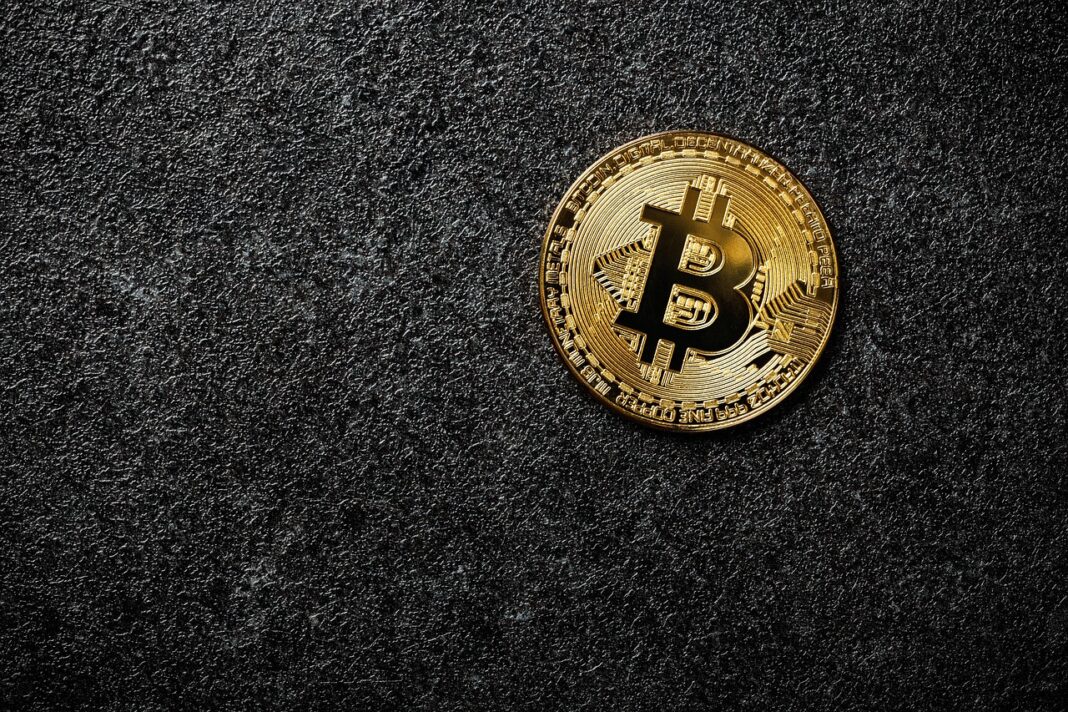

The rise of cryptocurrencies and blockchain technology has undeniably ushered in a new era of financial innovation, challenging traditional paradigms and creating unprecedented opportunities. However, this rapid evolution has also brought to the forefront critical questions regarding oversight, consumer protection, and systemic risk. As digital assets move from the fringes to the mainstream, the call for robust and effective crypto financial regulation grows louder, aiming to strike a delicate balance between fostering innovation and safeguarding the integrity of the global financial system.
Why Crypto Regulation is Crucial
The nascent and often volatile nature of the cryptocurrency market necessitates regulatory frameworks to protect participants and maintain broader economic stability. Without clear guidelines, the sector remains vulnerable to various risks that could undermine trust and impede its long-term potential.
Safeguarding Investors and Consumers
One of the primary drivers for crypto regulation is the imperative to protect individuals from fraud, market manipulation, and the inherent volatility of digital assets. Millions of retail investors have entered the crypto space, often with limited understanding of the underlying risks.
- Mitigating Fraud and Scams: The crypto market has been a fertile ground for “rug pulls,” Ponzi schemes, and fraudulent projects, leading to significant financial losses for unsuspecting investors. Regulations aim to establish disclosure requirements and accountability.
- Enhancing Consumer Protection: Many crypto exchanges and service providers operate without the same consumer protection mechanisms found in traditional finance. Regulations seek to ensure fair practices, dispute resolution, and asset segregation.
- Addressing Volatility Risks: While volatility is inherent, regulations can help by mandating clear risk disclosures and educating investors about the potential for rapid price swings.
Practical Example: The collapse of FTX in late 2022 highlighted the catastrophic consequences of unregulated crypto exchanges, where customer funds were allegedly misused, leading to billions in losses. Regulators aim to prevent such events through stricter licensing, auditing, and custodial rules.
Maintaining Financial Stability
As the market capitalization of digital assets reached trillions of dollars, concerns about their potential impact on the broader financial system have escalated. Unregulated growth could pose systemic risks.
- Preventing Systemic Risk: The interconnectedness of crypto with traditional finance, particularly through stablecoins and institutional investment, means that a major crypto market disruption could spill over.
- Regulating Stablecoins: Stablecoins, designed to maintain a stable value against fiat currencies, are crucial for crypto liquidity. Their failure, like the collapse of TerraUSD (UST), can trigger widespread panic. Regulators are increasingly focusing on requiring stablecoin issuers to hold transparent, liquid reserves.
Actionable Takeaway: Investors should prioritize platforms and projects that clearly demonstrate compliance with existing or emerging regulatory standards, as this often indicates a higher level of operational integrity and investor protection.
Evolving Regulatory Frameworks and Approaches
Regulators globally are grappling with how to effectively govern a technology that defies traditional classifications and operates across borders. Different jurisdictions are adopting varied approaches, ranging from adapting existing laws to developing bespoke frameworks.
Adapting Existing Laws (e.g., Securities, Banking)
Many jurisdictions initially attempted to fit digital assets into existing legal categories, such as securities or commodities, leveraging established regulatory bodies like the SEC or CFTC in the U.S.
- Securities Law Application: Tokens that derive their value from the efforts of a centralized entity, or promise future profits based on an investment, are often deemed securities. The Howey Test in the U.S. is a common legal precedent used for this classification.
- Commodities Law Application: Some cryptocurrencies, like Bitcoin and Ethereum (in some jurisdictions), are viewed as commodities, falling under the purview of commodity regulators.
- Banking and Payments Regulations: Entities offering crypto custody, lending, or payment services may be subjected to existing banking licenses, anti-money laundering (AML), and payment services directives.
Practical Example: The U.S. Securities and Exchange Commission (SEC) has pursued enforcement actions against various crypto projects, arguing that their token offerings constituted unregistered securities. The ongoing legal battle between the SEC and Ripple (XRP) is a prime example of this approach.
Developing Bespoke Crypto Regulations
Recognizing the unique characteristics of digital assets, some regions are creating entirely new laws specifically tailored for the crypto industry.
- MiCA (Markets in Crypto-Assets) in the EU: This landmark regulation aims to create a comprehensive, harmonized framework for crypto-assets across the European Union, covering issuance, trading, and service provision, with rules for stablecoins, utility tokens, and asset-referenced tokens.
- Specific Licensing Regimes: Countries like Singapore, Japan, and parts of the U.S. (e.g., New York’s BitLicense) have introduced specific licensing requirements for Virtual Asset Service Providers (VASPs), including exchanges and custodians.
International Cooperation and Standard-Setting
Given the borderless nature of crypto, international collaboration is essential to prevent regulatory arbitrage and ensure global consistency.
- FATF Recommendations: The Financial Action Task Force (FATF) has issued guidance for countries to regulate VASPs for Anti-Money Laundering (AML) and Combating the Financing of Terrorism (CFT) purposes, encouraging the “travel rule” for crypto transactions.
- G20 Initiatives: The G20 and the Financial Stability Board (FSB) are actively working on developing high-level principles and recommendations for global crypto regulation, focusing on financial stability and market integrity.
Actionable Takeaway: Crypto businesses must conduct thorough jurisdictional analysis and engage with legal experts to understand the diverse and rapidly evolving regulatory landscape, preparing for potential licensing and compliance obligations in key markets.
Major Challenges in Regulating a Decentralized World
The inherent design of blockchain technology and the decentralized ethos of many crypto projects present significant hurdles for traditional regulatory models, which are often built on centralized entities and clear jurisdictional boundaries.
Definitional Hurdles: What Exactly Are We Regulating?
The varied nature of digital assets makes consistent classification a continuous challenge, impacting how laws are applied.
- The Evolving Nature of Tokens: A token might start as a utility token, but its function and market perception can change over time, making its initial classification potentially outdated.
- Distinguishing Between Categories: Clear lines between payment tokens, utility tokens, security tokens, and NFTs are often blurry, leading to regulatory uncertainty for issuers and service providers.
The Global and Borderless Nature of Crypto
Blockchain networks operate globally, making it difficult for any single jurisdiction to impose comprehensive oversight.
- Jurisdictional Arbitrage: Businesses may choose to incorporate or operate in jurisdictions with more favorable or lenient regulations, creating a “race to the bottom” in some cases.
- Enforcement Difficulties: Tracing illicit transactions or enforcing regulations across multiple sovereign states is complex and resource-intensive.
Balancing Innovation with Oversight
A major concern for regulators is how to implement safeguards without stifling the transformative potential of blockchain technology.
- Risk of Stifling Growth: Overly stringent or prescriptive regulations could drive innovation offshore, hindering the development of new technologies and economic opportunities within a jurisdiction.
- Regulatory Sandboxes: Some regulators are experimenting with “sandboxes” or innovation hubs, allowing crypto startups to test new products and services in a controlled environment with regulatory oversight.
Data Privacy and Anonymity Concerns
The pseudo-anonymous nature of many blockchain transactions conflicts with KYC/AML requirements designed to identify participants and prevent illicit activities.
- Reconciling Pseudonymity with Identity: Regulators require verifiable identity for financial transactions, while many crypto users value the privacy afforded by blockchain. Solutions are emerging through identity verification layers and decentralized identity (DID) initiatives.
Actionable Takeaway: Policymakers and industry stakeholders must collaborate to develop adaptable, technology-neutral regulations that account for crypto’s unique characteristics, promoting clarity without stifling legitimate innovation.
The Impact of Regulation on Crypto Businesses and Investors
Regulation is not merely a compliance burden; it fundamentally reshapes how crypto businesses operate and how investors interact with digital assets, often leading to a more mature and secure ecosystem.
For Crypto Businesses: Compliance Costs and Operational Shifts
For exchanges, custodians, DeFi protocols, and other service providers, compliance becomes a significant operational and financial undertaking.
- Increased Compliance Costs: Investing in legal counsel, compliance officers, RegTech solutions, and audit capabilities can be substantial, especially for smaller startups.
- Enhanced KYC/AML Procedures: Businesses must implement robust Know Your Customer (KYC) and Anti-Money Laundering (AML) protocols, including identity verification, transaction monitoring, and suspicious activity reporting.
- Licensing Requirements: Obtaining and maintaining specific licenses to operate in various jurisdictions can be a complex and lengthy process.
Practical Example: A crypto exchange operating globally might need to obtain a BitLicense in New York, an MAS license in Singapore, and adhere to MiCA regulations in the EU. This requires dedicated compliance teams and significant investment in technology to manage diverse regulatory requirements.
For Investors: Enhanced Protection and Market Access
While some view regulation as restrictive, it often brings benefits that foster greater investor confidence and participation.
- Safer Platforms: Regulated exchanges and service providers are typically subject to stricter security standards, auditing, and capital requirements, reducing the risk of hacks or insolvencies.
- Clearer Investment Rules: Regulations can provide clarity on what constitutes a security, commodity, or currency, helping investors make more informed decisions and reducing legal uncertainty.
- Institutional Adoption: The presence of clear regulatory frameworks is crucial for attracting traditional financial institutions (banks, hedge funds) into the crypto space, bringing more liquidity and stability.
Innovation and Growth: A Double-Edged Sword
The impact on innovation is nuanced; while some argue regulation can stifle creativity, others believe it provides the necessary foundation for sustainable growth.
- Fostering Responsible Innovation: Regulations can encourage innovation within a framework that prioritizes security, consumer protection, and financial integrity, preventing reckless experimentation.
- Credibility and Mainstream Acceptance: A regulated environment lends credibility to the crypto industry, making it more attractive to a wider audience, including retail and institutional investors who previously shunned the space due to perceived risks.
Actionable Takeaway: Crypto businesses should proactively build compliance into their core strategy from day one, viewing it as a competitive advantage that builds trust, attracts institutional capital, and ensures long-term viability in a regulated future.
The Road Ahead: Trends and Future of Crypto Regulation
The landscape of crypto financial regulation is far from static. It’s a dynamic field continuously adapting to technological advancements and market shifts. Several key trends are emerging that will shape its future trajectory.
Increasing Global Harmonization
The fragmented regulatory environment is inefficient and creates vulnerabilities. There’s a growing push for greater consistency and cooperation across jurisdictions.
- Cross-Border Consistency: International bodies like the FSB and IOSCO are working to develop common standards and principles that countries can adopt, reducing regulatory arbitrage.
- Information Sharing: Enhanced data sharing agreements between national regulators will be crucial for monitoring global crypto markets and enforcing laws effectively.
Focus on Decentralized Finance (DeFi)
DeFi, with its peer-to-peer nature and often anonymous developers, presents a unique challenge, and regulators are increasingly turning their attention to this sector.
- Identifying Responsible Parties: A major challenge is determining who is responsible for compliance within a decentralized protocol, whether it’s developers, DAO members, or liquidity providers.
- Regulating Stablecoins in DeFi: The use of stablecoins within DeFi protocols makes their regulation particularly pertinent for financial stability.
ESG Considerations and Green Regulation
The environmental impact of proof-of-work cryptocurrencies and the social governance aspects of decentralized projects are becoming part of the regulatory discussion.
- Energy Consumption: Regulators may explore mandating disclosures on energy usage or even incentivizing more sustainable consensus mechanisms.
- Social and Governance Standards: As DAOs gain prominence, questions about their governance structures, voting mechanisms, and accountability will likely come under regulatory scrutiny.
Data-Driven Regulation and RegTech
Technology itself is being leveraged to enhance regulatory capabilities, creating “RegTech” solutions for compliance and oversight.
- AI and Machine Learning for Compliance: AI can analyze vast amounts of transaction data to identify suspicious patterns indicative of money laundering or market manipulation.
- Real-time Monitoring: Blockchain analytics tools allow regulators to monitor on-chain activity more effectively, providing greater transparency into the flow of digital assets.
Actionable Takeaway: Stakeholders in the crypto space should closely monitor international discussions and proposals, as future regulations will likely emphasize interoperability, sustainable practices, and the use of technology to facilitate compliance and oversight.
Conclusion
The journey of crypto financial regulation is an ongoing, complex, and absolutely essential one. It represents a global effort to reconcile the disruptive innovation of digital assets with the fundamental principles of financial stability, market integrity, and investor protection. While challenges abound, from definitional ambiguities to the borderless nature of blockchain, the concerted efforts by international bodies and national regulators signal a future where the crypto industry operates within a clearer, more secure, and ultimately more trusted framework. The goal is not to stifle progress but to nurture a responsible ecosystem where the transformative potential of blockchain can flourish, benefiting society while mitigating systemic risks. As this landscape continues to evolve, adaptability, collaboration, and a forward-thinking approach will be key for all participants in the digital asset economy.