

In the dynamic world of cryptocurrency, where innovation constantly reshapes financial paradigms, one mechanism consistently sparks discussion and captures investor attention: the token burn. Far from a destructive act, token burning is a strategic and often celebrated practice designed to manage a digital asset’s supply, enhance its value proposition, and foster a more robust ecosystem. It’s a core concept that underpins the economic models of many leading blockchain projects, effectively acting as a digital deflationary force. Understanding the nuances of token burns is crucial for anyone looking to grasp the underlying economics and long-term potential of their crypto investments.
What Exactly is a Token Burn?
At its heart, a token burn is the permanent removal of cryptocurrency tokens from circulation. It’s a deliberate, irreversible process that reduces the total supply of a given digital asset, much like a traditional company might buy back and retire its own shares to reduce dilution and potentially increase shareholder value. But in the crypto space, this action is executed on a transparent blockchain ledger, offering an unprecedented level of verifiability.
The Core Concept of Digital Scarcity
- Permanent Removal: Tokens are sent to an “eater address,” “burner address,” or “null address” – a wallet address for which no one possesses the private keys. This makes the tokens irretrievable and unspendable forever.
- Irreversibility: Once tokens are burned, they are gone for good. This finality is a critical aspect, distinguishing it from merely locking up tokens temporarily.
- Transparency: Every token burn transaction is recorded on the blockchain, publicly viewable and verifiable by anyone. This ensures accountability and builds trust within the community.
Technical Mechanisms
The process of a token burn is typically executed via a smart contract function or as a built-in protocol feature:
- Smart Contract Function: Many tokens operate on platforms like Ethereum (ERC-20 tokens) or Binance Smart Chain (BEP-20 tokens). Their smart contracts often include a specific “burn” function that, when called, removes a specified amount of tokens from circulation and sends them to the unspendable address.
- Protocol-Level Burn: In some blockchains, the burning mechanism is integrated directly into the protocol rules. For example, a portion of transaction fees might be automatically burned as part of the consensus mechanism.
- Proof of Burn: While less common for supply reduction, some consensus mechanisms like Proof of Burn require participants to “burn” coins to gain the right to validate transactions or mine new blocks. This acts as a form of virtual mining without high energy consumption.
Actionable Takeaway: When researching a project, look for clear documentation on its tokenomics, specifically how and why token burns are implemented. Verify burn transactions on the blockchain explorer to ensure transparency.
Why Do Projects Burn Tokens? Understanding the Motivations
Token burning isn’t a random act; it’s a strategic decision by projects to achieve various objectives crucial for their long-term health and investor confidence. These motivations span economic, security, and trust-building aspects.
Creating Deflationary Pressure
One of the primary reasons for a token burn is to reduce the total supply, thereby creating a deflationary economic model. This directly impacts the fundamental principles of supply and demand.
- Increased Scarcity: By reducing the number of available tokens, scarcity increases. If demand remains constant or grows, the per-token value can potentially rise.
- Counteracting Inflation: Many cryptocurrencies have an inflationary supply schedule. Token burns can help offset this inflation, maintaining or even reducing the circulating supply over time.
- Example: Consider a token with an initial supply of 1 billion. If 100 million tokens are burned, the supply is reduced to 900 million. All else being equal, each remaining token theoretically represents a larger share of the project’s overall value.
Enhancing Network Security and Stability
In certain contexts, token burns contribute to the operational security and stability of a blockchain network.
- Deterring Spam: Burning a small portion of transaction fees can deter malicious actors from spamming the network with numerous low-value transactions, as it incurs a real, irreversible cost.
- Value Accrual: For some decentralized finance (DeFi) protocols, burning governance tokens or protocol fees can help accrue value to the underlying asset, making the ecosystem more robust.
Signaling Commitment and Building Trust
A token burn can be a powerful signal from a project team to its community and investors.
- Long-Term Vision: By reducing the supply, a project demonstrates confidence in its future success and a commitment to long-term value creation, rather than simply inflating the supply.
- Preventing Dilution: Burning unallocated tokens from a private sale or ICO ensures that these tokens won’t suddenly flood the market later, protecting early investors from dilution.
- Investor Confidence: Regular, transparent burns can boost investor confidence, showing that the team is actively managing the token’s economics to benefit its holders.
Incentivizing Participation and Governance
Burns can also be integrated into more complex economic models to incentivize specific behaviors.
- Staking Rewards: In some models, a portion of the rewards or fees generated from staking might be burned, enhancing the value of the remaining staked tokens.
- Governance Participation: Projects might burn tokens associated with unsuccessful governance proposals or those held by inactive voters, encouraging active and meaningful participation.
Actionable Takeaway: Evaluate a project’s stated reasons for burning tokens. Do they align with the project’s long-term goals and make economic sense? A well-thought-out burn strategy is a positive indicator.
Different Strategies and Types of Token Burns
Projects employ various methods and schedules for token burns, each tailored to their specific tokenomics and strategic goals. Understanding these different approaches is key to assessing their potential impact.
Periodic Burns
These are scheduled burns that occur at regular intervals, often tied to a project’s financial performance or development milestones.
- Scheduled Events: Projects might announce quarterly or annual burns, where a percentage of the project’s profits or a predetermined amount of tokens are burned.
- Performance-Based: The amount burned might be contingent on the project meeting certain revenue targets, user adoption metrics, or other key performance indicators (KPIs).
- Example: BNB Burns by Binance: Binance, the world’s largest cryptocurrency exchange, conducts quarterly BNB burns, removing a portion of BNB from circulation based on the exchange’s trading volume. This mechanism has been a significant factor in BNB’s long-term value appreciation.
Transaction Fee Burns
In this model, a small fraction of the fees generated from every transaction on the network is automatically burned.
- Constant Deflation: This creates a continuous, albeit small, deflationary pressure with every network interaction.
- Network Utility Driven: The more the network is used, the more tokens are burned, directly linking the token’s scarcity to its utility.
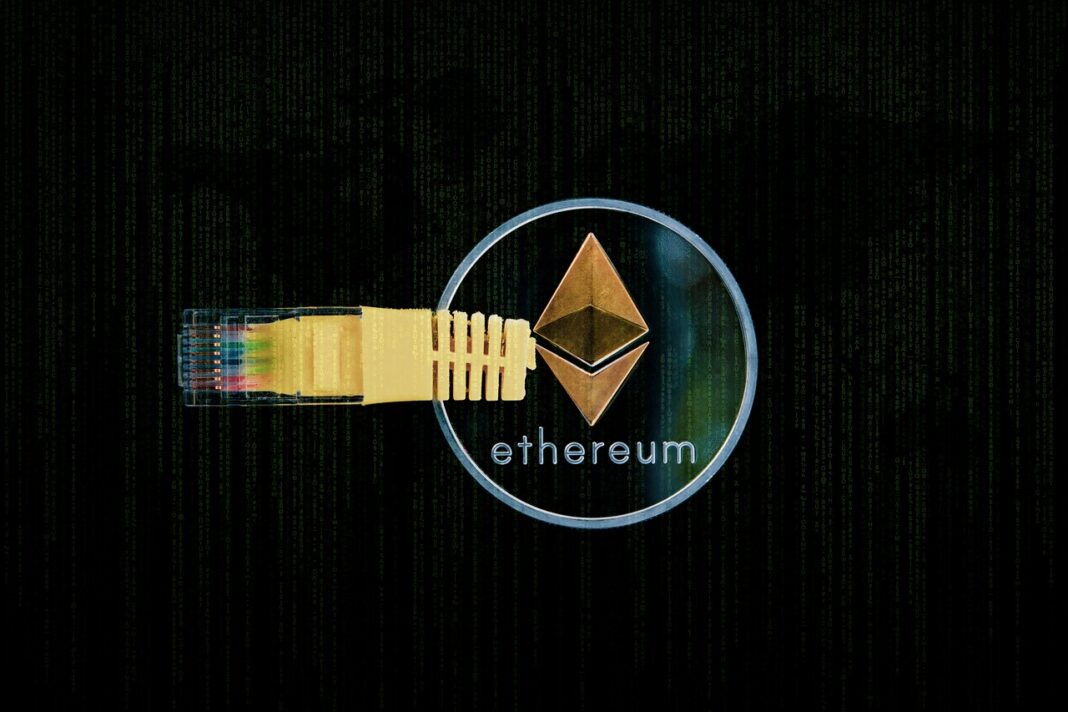
- Example: Ethereum’s EIP-1559: Implemented as part of the London hard fork, EIP-1559 introduced a mechanism where a base fee for each Ethereum transaction is burned instead of going to miners. This makes ETH a deflationary asset under certain network conditions, as more ETH can be burned than is issued.
Buyback and Burn
This strategy involves the project team using its revenue or treasury funds to purchase its native tokens from the open market and then burning them.
- Direct Market Impact: Buying tokens from the market creates immediate demand, potentially leading to a temporary price increase. The subsequent burn then removes those tokens permanently, reducing supply.
- Revenue Allocation: It demonstrates a commitment to returning value to token holders by using project revenue to support the token’s economy.
- Transparency: These operations are usually announced in advance, providing transparency to the community.
Launchpad or ICO Burns
Often occurring at the initial stages of a project, these burns address unsold tokens from initial coin offerings (ICOs) or other public sales.
- Fairness: Burning unsold tokens prevents the team from holding a large, unallocated supply that could later be sold, diluting early investors.
- Credibility: It signals good faith and prevents potential manipulation of market prices by suddenly releasing large quantities of tokens.
Actionable Takeaway: Diversify your understanding of burn types. A project using a transaction fee burn might have more organic, utility-driven deflation than one relying solely on infrequent, discretionary buyback and burn programs.
The Impact of Token Burns on Value and Ecosystems
While the mechanics and motivations behind token burns are clear, their ultimate impact on a token’s value and the broader ecosystem is multifaceted and subject to various market dynamics.
Increased Scarcity and Potential for Price Appreciation
The most direct theoretical impact of a token burn is on its scarcity, which, according to basic economic principles, can lead to an increase in value if demand remains constant or rises.
- Supply-Demand Dynamics: When supply decreases and demand stays the same or grows, the market price of the asset tends to rise.
- Psychological Effect: News of a significant token burn can generate positive market sentiment, attracting new investors and increasing demand, further pushing up prices.
- Example: Many projects have seen their token prices react positively to well-executed and transparent burn events, especially if accompanied by strong project development and adoption.
Long-Term Sustainability and Deflationary Models
For many projects, burns are a cornerstone of their long-term economic model, aiming to create sustainable value.
- Counteracting Inflation: In projects with continuous token issuance (inflation), burns can be crucial in maintaining a healthy circulating supply, preventing runaway inflation that could devalue the token.
- Ecosystem Health: By aligning the token’s value with the success and utility of the underlying platform, burns contribute to a more robust and sustainable ecosystem where token holders are rewarded for the network’s growth.
Challenges and Considerations
While powerful, token burns are not a magic bullet. Several factors can mitigate or complicate their intended positive effects.
- Demand is Key: A burn only contributes to price appreciation if there is existing or growing demand for the token. If demand is low or decreasing, even a significant burn might not prevent price declines.
- Transparency and Manipulation: Burns must be fully transparent and verifiable. Opaque burn mechanisms or the burning of privately held tokens to create false hype can mislead investors. Always verify burn transactions.
- Centralization Concerns: If the power to initiate burns is highly centralized within a project team, it can raise concerns about manipulation or arbitrary decisions. Decentralized governance over burn mechanisms is often preferred.
- Overall Market Conditions: The broader cryptocurrency market sentiment can heavily influence a token’s price, often overshadowing the effects of individual burn events.
Actionable Takeaway for Investors: Don’t blindly invest based on burn announcements. Always analyze the project’s fundamentals, market demand, development roadmap, and the transparency of its burn strategy. Understand the difference between total supply, circulating supply, and how the burn impacts each.
Conclusion
Token burning is a sophisticated and increasingly integral part of the cryptocurrency landscape, serving as a powerful tool for projects to manage their digital assets effectively. From creating deflationary pressure and enhancing scarcity to signaling commitment and boosting investor confidence, the motivations behind these strategic removals from circulation are diverse and critical for the long-term health of a blockchain ecosystem.
Whether implemented as periodic events, integrated into transaction fees, or used as a buyback mechanism, token burns offer a transparent and verifiable method to influence supply dynamics. However, investors must look beyond the headline and delve into the specifics: understanding the ‘why’ and ‘how’ of a project’s burn strategy, assessing the transparency of the process, and evaluating the interplay between supply reduction and actual market demand. When executed thoughtfully and transparently, token burns stand as a testament to a project’s dedication to creating sustainable value and fostering a robust, trustworthy digital economy.