


Investing in cryptocurrency can feel like navigating a complex maze, especially for beginners. With thousands of cryptocurrencies available, knowing where to start can be overwhelming. This guide highlights some of the top beginner-friendly cryptocurrencies, offering a balanced approach to risk and potential rewards, making it easier to dip your toes into the exciting world of digital assets.
Understanding Cryptocurrency Basics
What is Cryptocurrency?
Cryptocurrency is a digital or virtual currency that uses cryptography for security. Unlike traditional currencies issued by governments, cryptocurrencies operate on a decentralized technology called blockchain. This means no single entity controls the currency, making it resistant to censorship and manipulation.
- Key Features: Decentralization, transparency (through blockchain), and security.
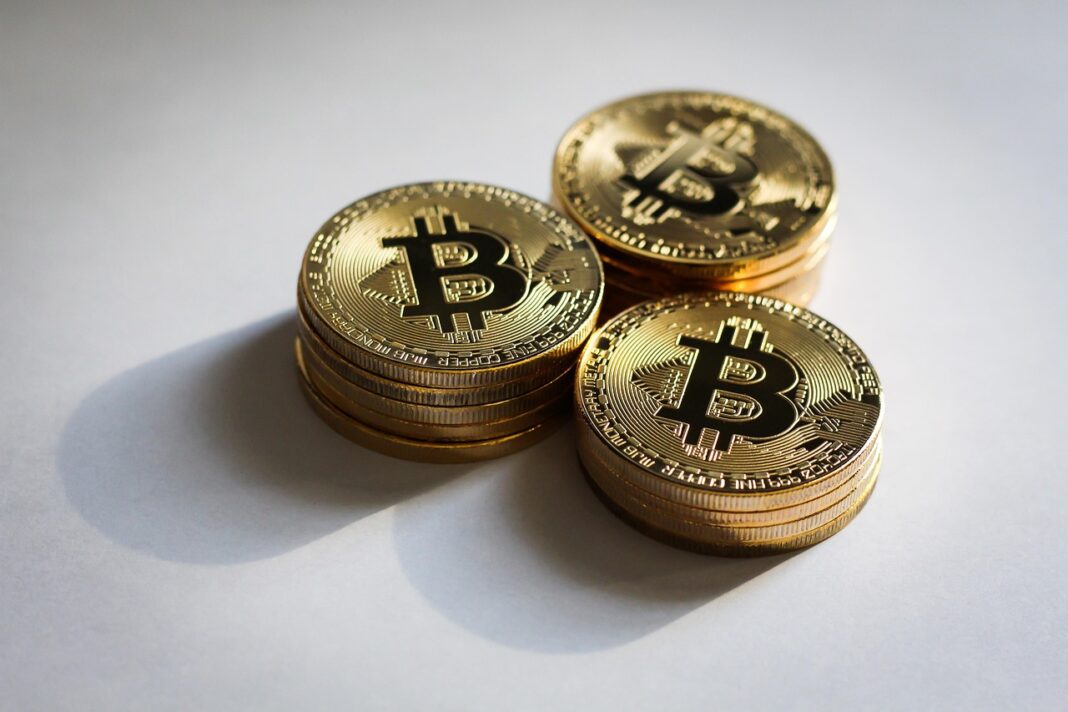
- Example: Think of Bitcoin as the “digital gold,” the original and most well-known cryptocurrency.
Why Invest in Cryptocurrency?
While cryptocurrency investment involves risks, it also offers potential benefits. Understanding these can help you decide if crypto is right for you.
- Potential for High Returns: Historically, some cryptocurrencies have seen significant price appreciation.
- Diversification: Cryptocurrency can diversify your investment portfolio, potentially reducing overall risk (though crypto itself can be high risk).
- Decentralization: Offers an alternative to traditional financial systems.
- Innovation: Supports emerging technologies and projects in the blockchain space.
- Actionable Takeaway: Before investing, thoroughly research the underlying technology, team, and market capitalization of any cryptocurrency. Don’t invest more than you can afford to lose.
Top Beginner-Friendly Cryptocurrencies
Bitcoin (BTC)
Bitcoin, the first and most recognizable cryptocurrency, is often the starting point for beginners. Its widespread adoption and relatively stable price history (compared to altcoins) make it a less volatile option.
- Pros:
Highest market capitalization, indicating strong market confidence.
Widely accepted and easily traded on most exchanges.
Limited supply (21 million coins), potentially driving up its value over time.
- Cons:
Higher entry price compared to other cryptocurrencies.
Slower transaction speeds compared to newer cryptocurrencies.
- Practical Example: Buying a fraction of a Bitcoin (Satoshi) is a common way for beginners to start.
Ethereum (ETH)
Ethereum is the second-largest cryptocurrency by market capitalization and a powerhouse in the decentralized application (dApp) and smart contract space. Its utility goes beyond just being a digital currency.
- Pros:
Supports smart contracts, enabling the creation of dApps.
Underwent a significant upgrade (The Merge), shifting to a more energy-efficient Proof-of-Stake (PoS) consensus mechanism.
Large and active developer community.
- Cons:
Can experience high gas fees (transaction costs), especially during peak network activity.
More complex technology compared to Bitcoin.
- Practical Example: Many decentralized finance (DeFi) platforms and NFT marketplaces operate on the Ethereum blockchain.
Cardano (ADA)
Cardano is a proof-of-stake blockchain platform known for its rigorous academic research and development approach. It aims to provide a more sustainable and scalable blockchain solution.
- Pros:
Environmentally friendly Proof-of-Stake consensus mechanism.
Strong focus on security and scalability.
Active community and continuous development.
- Cons:
Slower development pace compared to some other blockchains.
Ecosystem still developing compared to Ethereum.
- Practical Example: ADA can be staked to earn rewards, contributing to the network’s security.
Solana (SOL)
Solana is a high-performance blockchain designed for speed and scalability. It aims to provide a fast and affordable platform for decentralized applications.
- Pros:
Extremely fast transaction speeds and low fees.
Growing ecosystem of DeFi projects and NFTs.
Innovative proof-of-history (PoH) consensus mechanism.
- Cons:
Has experienced occasional network outages.
Relatively centralized compared to some other blockchains.
- Practical Example: Used for quick and cost-effective transactions on decentralized exchanges.
Binance Coin (BNB)
Binance Coin is the native cryptocurrency of the Binance exchange, one of the world’s largest cryptocurrency exchanges. It offers various utilities within the Binance ecosystem.
- Pros:
Used to pay for transaction fees on the Binance exchange at a discounted rate.
Can be used to participate in Initial Exchange Offerings (IEOs) on Binance Launchpad.
Used within the Binance Smart Chain (BSC) ecosystem.
- Cons:
Price heavily influenced by the success and performance of the Binance exchange.
Centralized compared to truly decentralized cryptocurrencies.
- Practical Example: Holding BNB can reduce trading fees on the Binance platform.
Risk Management for Beginners
Diversification
Don’t put all your eggs in one basket. Diversify your crypto portfolio across different coins to mitigate risk.
Dollar-Cost Averaging (DCA)
Invest a fixed amount of money at regular intervals, regardless of the price. This helps to average out your purchase price over time and reduces the impact of volatility.
Research is Key
Thoroughly research any cryptocurrency before investing. Understand its technology, use case, team, and market capitalization.
Use Stop-Loss Orders
Set stop-loss orders on your trades to automatically sell your cryptocurrency if it falls below a certain price, limiting potential losses.
Secure Your Cryptocurrency
Use strong passwords, enable two-factor authentication, and store your cryptocurrency in a secure wallet (hardware or software).
- Actionable Takeaway: Start small, diversify your investments, and continuously educate yourself about the cryptocurrency market.
Choosing a Cryptocurrency Exchange
Centralized Exchanges (CEXs)
Centralized exchanges are platforms operated by a company that facilitates the buying and selling of cryptocurrencies. They offer user-friendly interfaces and a wide range of trading pairs.
- Examples: Binance, Coinbase, Kraken
Decentralized Exchanges (DEXs)
Decentralized exchanges are peer-to-peer platforms that allow users to trade cryptocurrencies directly without a central intermediary. They offer greater privacy and control over your funds.
- Examples: Uniswap, PancakeSwap
Key Considerations
- Security: Choose an exchange with robust security measures.
- Fees: Compare trading fees across different exchanges.
- Liquidity: Opt for an exchange with high trading volume to ensure easy buying and selling.
- User Interface: Select an exchange with a user-friendly interface that is easy to navigate.
- Supported Cryptocurrencies: Ensure the exchange supports the cryptocurrencies you want to trade.
- Actionable Takeaway: Research and compare different exchanges before choosing one. Consider factors like security, fees, liquidity, and user interface.
Conclusion
Navigating the cryptocurrency landscape as a beginner can seem daunting, but with the right information and a cautious approach, it can be a rewarding experience. By understanding the basics, choosing beginner-friendly cryptocurrencies, managing risk effectively, and selecting a suitable exchange, you can confidently begin your crypto journey. Remember to always conduct thorough research and never invest more than you can afford to lose. Happy investing!