
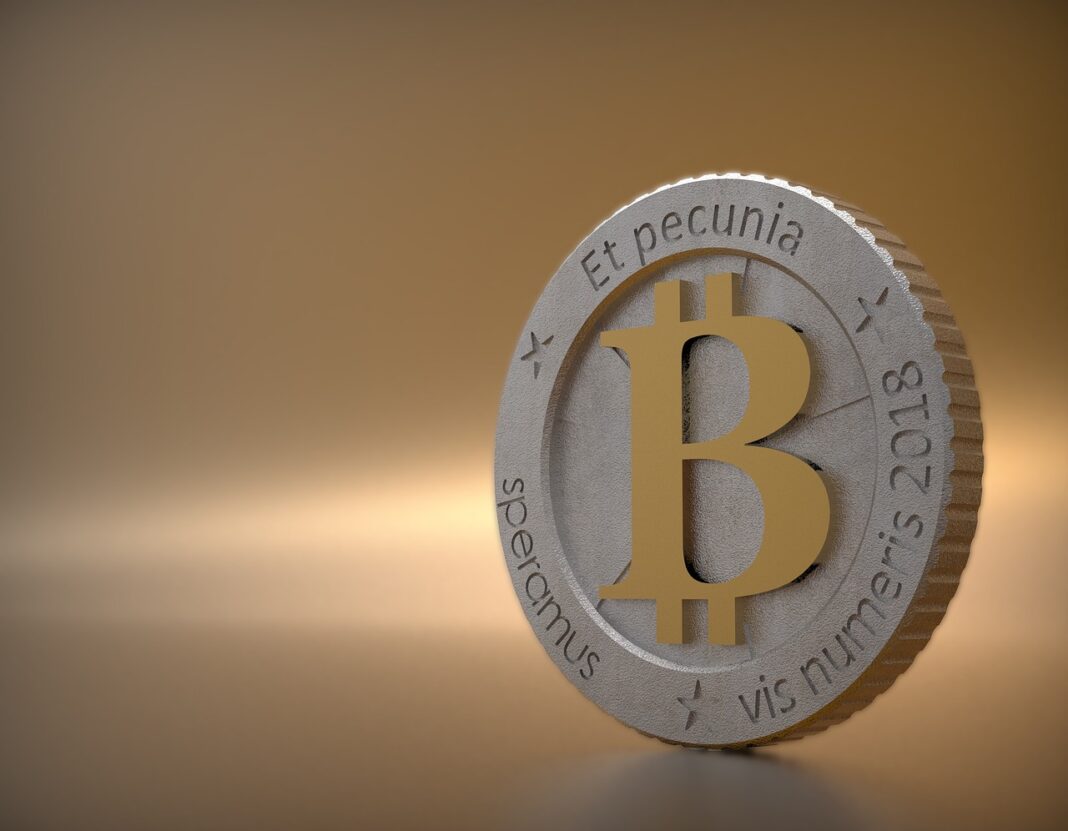

The world of cryptocurrency has captivated investors globally, evolving from a niche tech experiment into a multi-trillion dollar asset class. With its promise of unprecedented returns, it’s easy to get swept up in the excitement. However, the crypto market is also notoriously volatile, presenting both immense opportunities and significant risks. Navigating this dynamic landscape requires more than just luck; it demands a well-informed strategy, robust security measures, and a resilient mindset. Whether you’re a seasoned investor looking to diversify or a curious newcomer eager to dip your toes, understanding the fundamental principles of smart crypto investment is crucial for long-term success. This guide will provide actionable tips to help you build a resilient portfolio and make informed decisions in this thrilling digital frontier.
Understanding the Crypto Landscape Before You Dive In
Before committing your capital, it’s essential to grasp the foundational concepts and inherent risks of the cryptocurrency market. A solid understanding will be your best defense against impulsive decisions and potential losses.
What is Cryptocurrency?
Cryptocurrencies are decentralized digital or virtual currencies secured by cryptography, making them nearly impossible to counterfeit or double-spend. They operate on a technology called blockchain, a distributed ledger enforced by a disparate network of computers.
- Decentralization: Unlike traditional currencies controlled by central banks, cryptocurrencies are managed by their users and networks, eliminating intermediaries.
- Blockchain Technology: A transparent and immutable record of all transactions, ensuring security and integrity.
- Digital Assets: Represent a wide range of utilities, from payment systems (Bitcoin) and smart contract platforms (Ethereum) to decentralized applications (dApps) and governance tokens.
Practical Tip: Start by understanding the role of pioneers like Bitcoin (BTC) as digital gold and Ethereum (ETH) as a programmable blockchain platform. These two often set the market tone.
Volatility and Risk Assessment
The crypto market is renowned for its dramatic price swings. While this volatility can lead to substantial gains, it also carries significant risk.
- High Risk, High Reward: Prices can fluctuate by 10-20% or more in a single day, driven by news, market sentiment, regulatory updates, or even social media trends.
- “Only Invest What You Can Afford to Lose”: This adage is paramount in crypto. Never invest funds essential for your living expenses or financial stability.
- Personal Risk Tolerance: Assess how much financial risk you are comfortable taking. This will influence the percentage of your portfolio allocated to crypto and the types of assets you choose.
Example: During bull markets, a meme coin might surge 1000% in weeks, only to crash by 90% within days. Understanding this pattern prevents chasing pumps and panic selling.
The Importance of Research (DYOR)
In the crypto space, “Do Your Own Research” (DYOR) isn’t just a suggestion; it’s a golden rule. Relying solely on social media hype or influencer recommendations is a recipe for disaster.
When researching a crypto project, consider the following:
- Whitepaper: The foundational document outlining the project’s vision, technology, and economic model.
- Team: Who is behind the project? Do they have relevant experience and a track record?
- Technology & Use Case: What problem does it solve? Is the technology innovative and scalable?
- Community & Adoption: A strong, active community often signals a healthy project. What is its real-world utility?
- Tokenomics: How is the cryptocurrency distributed, used, and valued within its ecosystem? Understand supply, demand, and vesting schedules.
- Market Capitalization: Helps gauge a project’s size and relative stability. Large caps (e.g., Bitcoin, Ethereum) tend to be more stable than micro-caps.
Actionable Takeaway: Spend more time researching than trading. A well-informed decision reduces risk significantly.
Building Your Crypto Investment Strategy
A coherent strategy tailored to your financial goals is crucial for navigating the crypto market effectively. Without one, you’re merely gambling.
Define Your Investment Goals
Your goals dictate your strategy. Are you looking for short-term gains, or are you in it for the long haul?
- Short-Term Trading: Involves frequent buying and selling to profit from minor price fluctuations. Requires deep market analysis, technical skills, and significant time commitment.
- Long-Term Holding (HODLing): Investing in projects you believe have long-term potential and holding them for months or years, riding out market volatility. This strategy is often less stressful and can be very rewarding if you choose strong projects.
- Diversification: Using crypto to diversify an existing investment portfolio.
Example: If your goal is to save for retirement in 10-15 years, a long-term ‘HODLing’ strategy focused on established, large-cap cryptocurrencies might be more suitable than day trading.
Diversification is Key
Just like traditional investments, diversifying your crypto portfolio helps mitigate risk. Spreading your investments across various assets reduces the impact if one particular asset performs poorly.
- Large-Cap Cryptocurrencies: Bitcoin (BTC) and Ethereum (ETH) are often considered the safest bets due to their established networks, liquidity, and broader adoption. They form a strong foundation.
- Mid-Cap Projects: Projects with market caps typically between $1 billion and $10 billion. These often have innovative technologies and strong use cases but carry more risk than large caps. Examples include Cardano (ADA), Solana (SOL), Polkadot (DOT).
- Stablecoins: Cryptocurrencies pegged to a stable asset like the US dollar (e.g., USDT, USDC). Useful for preserving capital during volatile periods or for quickly entering and exiting positions without converting to fiat.
- DeFi & NFT Exposure: For higher risk tolerance, consider exposure to decentralized finance (DeFi) protocols or promising Non-Fungible Token (NFT) projects, but research extensively.
Practical Tip: A common strategy is to allocate 50-70% to BTC/ETH, with the remainder spread across a few promising mid-cap and small-cap altcoins you’ve thoroughly researched.
Dollar-Cost Averaging (DCA)
Dollar-Cost Averaging is a strategy where you invest a fixed amount of money into an asset at regular intervals (e.g., weekly or monthly), regardless of its price. This method helps to reduce the impact of volatility.
Benefits of DCA:
- Reduces Risk: You avoid the trap of trying to “time the market,” which is nearly impossible.
- Smoothes Out Volatility: You buy more when prices are low and less when prices are high, potentially resulting in a lower average cost over time.
- Less Stress: Removes the emotional burden of market fluctuations, promoting a disciplined approach.
Example: Instead of investing $10,000 all at once, you might invest $500 every two weeks for 10 months. If the price of Bitcoin drops, your fixed investment buys more BTC; if it rises, it buys less, averaging out your entry price.
Actionable Takeaway: Automate your DCA strategy using recurring buys on your preferred exchange to ensure consistency and discipline.
Essential Tools and Security Measures
The digital nature of crypto requires specific tools and a rigorous approach to security. Protecting your assets is as important as choosing the right investments.
Choosing the Right Exchange
A cryptocurrency exchange is a platform where you can buy, sell, and trade cryptocurrencies. Choosing a reputable and secure exchange is paramount.
Factors to consider:
- Security: Look for exchanges with robust security protocols, including two-factor authentication (2FA), cold storage for client funds, and insurance.
- Fees: Understand trading fees, deposit/withdrawal fees, and network fees. These can vary significantly.
- Supported Assets: Ensure the exchange lists the cryptocurrencies you want to invest in.
- Liquidity: Higher liquidity means easier and faster execution of trades at fair prices.
- Ease of Use: A user-friendly interface is crucial, especially for beginners.
- Regulation & Reputation: Choose exchanges that comply with regulations in your jurisdiction and have a strong reputation within the community.
Examples: Globally recognized exchanges include Binance, Coinbase, Kraken, and KuCoin. Always check their specific features and regulatory compliance in your region.
Securing Your Assets (Wallets)
Once you buy crypto, it’s generally safer to move it off the exchange into your personal wallet, especially for long-term holdings.
- Hot Wallets: Connected to the internet (e.g., exchange wallets, mobile apps like Trust Wallet, desktop wallets like Exodus, browser extensions like MetaMask). Convenient for active trading and smaller amounts, but more susceptible to hacks.
- Cold Wallets (Hardware Wallets): Physical devices that store your private keys offline (e.g., Ledger, Trezor). Considered the most secure option for long-term storage of significant amounts of crypto. They are immune to online hacks.
- Seed Phrase: A series of 12 or 24 words generated when you set up a non-custodial wallet. This is your ultimate backup. Never share it, store it offline, and keep it safe! If you lose your seed phrase, you lose your crypto.
Practical Tip: For significant investments, always opt for a hardware wallet. For smaller, active funds, use reputable software wallets with 2FA enabled.
Protecting Against Scams and Hacks
The crypto space is unfortunately rife with scammers. Vigilance is your best defense.
- Phishing Attacks: Be wary of suspicious emails, messages, or websites impersonating legitimate platforms. Always double-check URLs.
- Fake Giveaways/Airdrops: Never send crypto to participate in a “giveaway” or “airdrop” that asks you to send funds first.
- Social Media Scams: Impersonators often target users on Twitter, Telegram, and Discord. Be skeptical of unsolicited direct messages.
- Strong Passwords & 2FA: Use unique, complex passwords for all crypto accounts and enable Two-Factor Authentication (2FA) using an authenticator app (like Google Authenticator) rather than SMS, which can be vulnerable to SIM swap attacks.
- Educate Yourself: Stay informed about common scam tactics and security best practices.
Actionable Takeaway: Treat your crypto assets and private keys with the same care you would physical cash or gold. Assume every unsolicited message or link is a potential scam.
Advanced Crypto Investment Techniques & Mindset
Beyond the basics, successful crypto investing often involves understanding market psychology, advanced analysis techniques, and navigating the regulatory landscape.
Technical Analysis (TA) & Fundamental Analysis (FA)
These two analytical approaches help investors make informed decisions.
- Fundamental Analysis (FA): Focuses on the intrinsic value of a cryptocurrency project. It involves evaluating the project’s technology, team, use case, market potential, tokenomics, partnerships, and competitive landscape. A strong FA suggests long-term viability.
- Technical Analysis (TA): Involves studying past price charts and trading volumes to identify patterns and predict future price movements. Tools include moving averages, relative strength index (RSI), MACD, support/resistance levels, and candlestick patterns. More suited for short-to-medium term trading.
Practical Tip: For long-term investors, FA should be the primary focus, while TA can help identify optimal entry and exit points. A combination of both offers a robust framework.
Managing Emotions and Avoiding FOMO/FUD
The highly emotional nature of crypto markets can lead to irrational decisions. Controlling your emotions is a critical skill.
- Fear Of Missing Out (FOMO): The urge to buy an asset simply because its price is rapidly increasing, often leading to buying at the peak and subsequent losses.
- Fear, Uncertainty, and Doubt (FUD): Negative news or rumors can create panic, leading investors to sell their assets at a loss.
- Stick to Your Plan: Develop an investment thesis and a clear exit strategy before you invest. This plan acts as a guide during periods of extreme market sentiment.
- Emotional Detachment: View market fluctuations as opportunities rather than reasons for panic. If you’ve done your research, trust your convictions.
Example: When Bitcoin hits a new all-time high, FOMO might tempt you to buy heavily. Conversely, a sudden 30% drop might trigger FUD, making you want to sell. A disciplined investor sticks to their DCA or long-term strategy, potentially even seeing a dip as a buying opportunity if their FA remains strong.
Understanding Taxes and Regulations
The regulatory landscape for cryptocurrency is constantly evolving. It’s crucial to understand your tax obligations and stay informed about local laws.
- Taxable Events: In many jurisdictions (e.g., USA, UK, Canada), buying crypto is not a taxable event, but selling it, trading it for another crypto, or using it to purchase goods/services typically triggers capital gains/losses. Mining and staking rewards are often considered income.
- Record Keeping: Maintain meticulous records of all your crypto transactions, including purchase price, sale price, dates, and fees. This simplifies tax reporting.
- Stay Informed: Regulations vary significantly by country and are subject to change. Consult official government sources and reputable crypto news outlets for updates.
- Consult a Professional: For complex tax situations or significant investments, seeking advice from a tax accountant specializing in cryptocurrency is highly recommended.
Actionable Takeaway: Don’t neglect crypto taxes. Proactive record-keeping and understanding your obligations will save you headaches down the line and ensure compliance.
Conclusion
Investing in cryptocurrency offers an exciting pathway to potential wealth creation, but it is not without its challenges. By prioritizing diligent research, developing a sound investment strategy, implementing robust security measures, and maintaining emotional discipline, you can significantly improve your chances of success. Remember to only invest what you can afford to lose, diversify your portfolio, and embrace strategies like Dollar-Cost Averaging to navigate market volatility. The crypto space is ever-evolving, so continuous learning and adaptability are key. Approach this digital frontier with caution, intelligence, and a long-term perspective, and you’ll be well-equipped to unlock its transformative potential.