
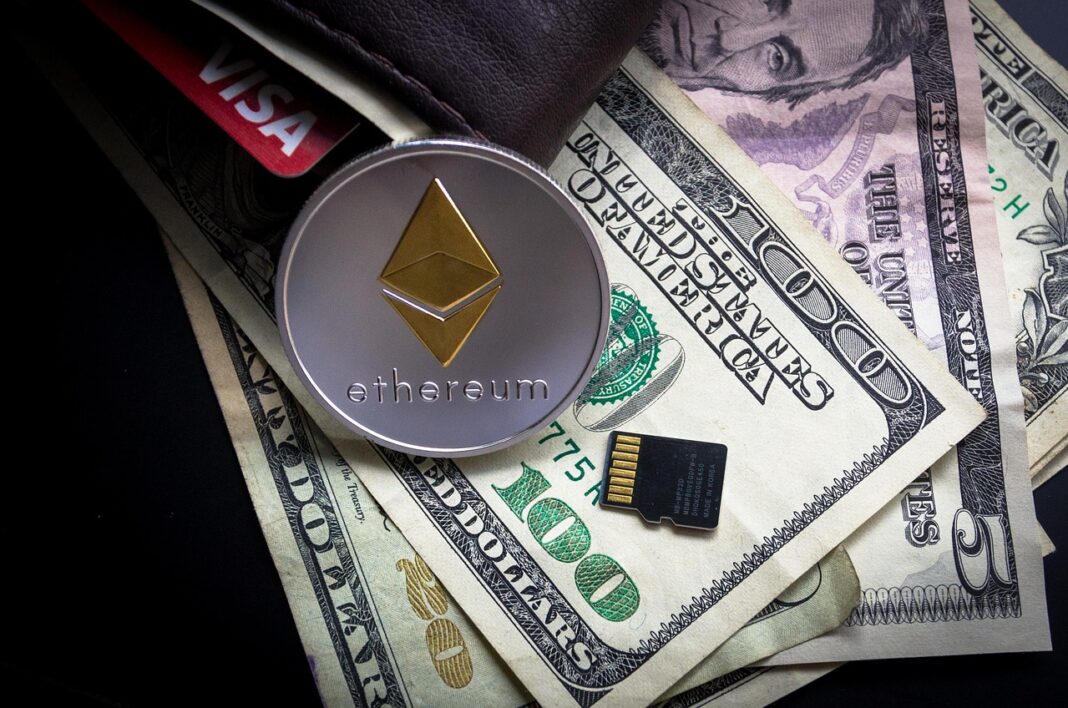

In the rapidly evolving world of cryptocurrency, your digital wallet is much more than just a place to store assets; it’s your gateway to a decentralized future. As the ecosystem expands with DeFi, NFTs, and countless blockchain applications, the need for robust, intuitive, and secure crypto wallet tools has become paramount. These aren’t just optional extras; they are the essential components that empower users to manage their digital wealth effectively, navigate complex transactions with confidence, and safeguard their investments against ever-present threats. From fortifying your security to streamlining your portfolio management and unlocking advanced functionalities, understanding and utilizing the right crypto wallet tools can transform your blockchain experience from daunting to dazzling.
The Foundation: Understanding Crypto Wallets and Their Core Need for Tools
Your crypto wallet is the primary interface for interacting with the blockchain. While it doesn’t “hold” your cryptocurrencies in the traditional sense (your assets reside on the blockchain), it stores the private keys that prove ownership and allow you to send, receive, and manage your digital assets. The diverse landscape of wallets necessitates a suite of tools to enhance their utility and security.
What is a Crypto Wallet?
Crypto wallets come in various forms, each offering different levels of security, convenience, and functionality:
- Hot Wallets: Connected to the internet (e.g., mobile apps, desktop clients, browser extensions). They offer convenience for frequent transactions but are generally less secure due to online exposure.
- Cold Wallets: Offline storage (e.g., hardware wallets, paper wallets). These provide superior security by isolating private keys from internet-connected devices, ideal for long-term storage of significant assets.
- Custodial Wallets: A third party manages your private keys on your behalf (e.g., cryptocurrency exchanges). Convenient but means you don’t have full control over your funds.
- Non-Custodial Wallets: You maintain full control over your private keys and seed phrase. Offers maximum autonomy and security but requires responsible self-management.
Practical Tip: For most users, a combination of hot and cold wallets is optimal – a hot wallet for daily transactions and a cold wallet for substantial holdings.
Why Do We Need Wallet Tools?
Beyond basic storage and transaction capabilities, crypto wallet tools address critical needs:
- Enhanced Security: Protecting your private keys and transactions from hackers and scams.
- Streamlined Management: Organizing your diverse portfolio across multiple chains and assets.
- Advanced Functionality: Interacting with DeFi protocols, NFTs, and decentralized applications (DApps).
- Compliance and Reporting: Tracking transactions for tax purposes and financial analysis.
- Improved User Experience: Making the often-complex world of blockchain more accessible and intuitive.
Actionable Takeaway: Choosing the right wallet type is the first step, but integrating robust tools is crucial for long-term security and successful cryptocurrency management. Always prioritize wallets that support a wide array of reliable tools.
Essential Security Tools for Protecting Your Digital Assets
Security is paramount in the crypto space. The right tools can act as an impenetrable fortress for your digital wealth, mitigating risks from unauthorized access and potential hacks. Investing time in understanding and implementing these security measures is non-negotiable.
Advanced Authentication Methods
Beyond a simple password, robust authentication mechanisms provide critical layers of defense.
- Multi-Signature (Multi-sig) Wallets: Requires more than one private key to authorize a transaction. For instance, a 2-of-3 multi-sig wallet needs approvals from two out of three designated private keys.
- Benefits: Ideal for corporate treasury management, joint accounts, or as an additional security layer where you hold keys on separate devices. Reduces the risk of a single point of failure.
- Example: Gnosis Safe is a popular multi-sig solution, often used for managing DAO treasuries and large institutional funds.
- Two-Factor Authentication (2FA) / Multi-Factor Authentication (MFA): Adds a second (or more) verification step to log in or authorize transactions.
- Types: Time-based One-Time Passwords (TOTP) from apps like Google Authenticator or Authy, physical hardware security keys (e.g., YubiKey), or even biometric verification.
- Benefit: Significantly reduces the risk of unauthorized access even if your password is compromised.
Secure Backup and Recovery Solutions
Losing access to your wallet can mean losing all your funds. Proper backup and recovery tools are your safety net.
- Seed Phrase (Mnemonic Phrase) Management: Your seed phrase is the master key to your non-custodial wallet. It allows you to recover your funds if your device is lost or damaged.
- Best Practices: Store your seed phrase offline, physically write it down on paper or engrave it on a metal plate (e.g., Billfodl, Cryptosteel), and keep multiple copies in secure, separate physical locations. Never store it digitally or share it.
- Practical Example: A new Ledger hardware wallet will generate a 24-word seed phrase. Carefully transcribe this onto the provided recovery sheet and store it in a fireproof safe, not a cloud drive.
- Automated Backup Services (for select wallets): Some custodial or semi-custodial wallets offer automated backup options, often encrypted and stored in secure cloud environments. While convenient, always understand the underlying security model.
Transaction Monitoring and Alerts
Staying informed about activity in your wallet can prevent or quickly detect suspicious movements.
- Real-time Notifications: Many wallet apps and portfolio trackers offer push notifications for incoming/outgoing transactions.
- Wallet Monitoring Services: Tools like WhaleStats (though more focused on tracking large movements) or custom alerts on blockchain explorers can help you monitor specific addresses for activity.
Actionable Takeaway: Implement multi-factor authentication wherever possible, meticulously safeguard your seed phrase offline, and enable transaction alerts to stay ahead of potential security breaches. No single tool is a silver bullet; a layered approach is key.
Smart Management & Analytics Tools for Portfolio Optimization
As your crypto portfolio grows and diversifies across different blockchains and assets, effective management becomes complex. Dedicated tools can help you track performance, analyze transactions, and make informed decisions.
Portfolio Trackers and Dashboards
These tools provide a unified view of your entire crypto portfolio, even if assets are spread across multiple wallets and exchanges.
- Features:
- Aggregating data from various sources (wallet addresses, exchange APIs).
- Real-time price tracking and market data.
- Performance analytics (P&L, ROI, asset allocation).
- Historical data visualization.
- Examples: CoinMarketCap Portfolio, CoinGecko Portfolio, Koinly (which also has tax features), DeBank (especially for DeFi assets).
- Practical Tip: Connect your wallet addresses (public keys) and exchange accounts (via secure API keys) to get a comprehensive overview. Always verify the security of any platform you link your accounts to.
Transaction History and Reporting Tools
Understanding and documenting your transaction history is vital for personal financial management and regulatory compliance, particularly for tax reporting.
- Features:
- Categorizing transactions (buy, sell, stake, swap, earn, gift).
- Generating detailed statements and reports.
- Calculating cost basis, capital gains/losses.
- Integration with tax software.
- Examples: Koinly, CoinTracker, TokenTax. These platforms allow you to import transaction data from wallets and exchanges, then generate tax-ready reports.
- Benefit: Simplifies the often-complex process of crypto tax calculation, ensuring compliance and potentially identifying tax-loss harvesting opportunities.
Gas Fee Trackers and Optimizers
High gas fees (transaction costs on blockchain networks like Ethereum) can eat into profits. Tools to monitor and optimize these fees are indispensable.
- Features:
- Real-time monitoring of network congestion and average gas prices.
- Predictive analytics for future gas prices.
- Allowing users to set custom gas limits and prices for transactions.
- Examples: Etherscan Gas Tracker, Dune Analytics gas price dashboards. Many wallets like MetaMask also offer dynamic gas fee suggestions.
- Practical Tip: Before initiating a non-urgent transaction on Ethereum, check a gas tracker to identify periods of lower network activity (and thus lower fees).
Actionable Takeaway: Utilize a reliable portfolio tracker to monitor your investments across all platforms. Integrate your wallet and exchange data with crypto tax software early in the year to simplify tax reporting. Always check gas fees before transacting to optimize costs.
Tools for Enhanced Functionality and DeFi/NFT Interaction
The true power of crypto lies in its ability to interact with decentralized applications (DApps) and participate in the vast Web3 ecosystem. Specialized wallet tools bridge this gap, allowing seamless and secure engagement with DeFi, NFTs, and more.
Wallet Connect & DApp Browsers
These tools are your primary gateways to the decentralized web, enabling your wallet to interact with DApps safely.
- WalletConnect Protocol: An open protocol that allows you to connect your mobile wallet (e.g., Trust Wallet, MetaMask Mobile) to desktop DApps using QR codes or deep linking.
- Benefit: Provides a secure connection without exposing your private keys to the DApp directly.
- Practical Example: Scanning a WalletConnect QR code on Uniswap (a decentralized exchange) with your mobile wallet to approve transactions.
- In-Wallet DApp Browsers: Many mobile wallets integrate a browser specifically designed for DApps.
- Benefit: Offers a streamlined and often more secure browsing experience for DApps directly within your wallet interface.
Cross-Chain Bridges and Swaps
With multiple blockchains existing, moving assets between them efficiently and securely is a key challenge that specialized tools address.
- Cross-Chain Bridges: Protocols that facilitate the transfer of assets and information between different blockchains (e.g., moving ETH from Ethereum to Polygon).
- Benefit: Unlocks liquidity and access to DApps on various networks, often with lower transaction costs.
- Example: The Wormhole Bridge or Arbitrum Bridge allows users to move assets between different chains.
- In-Wallet Swap Features: Many modern wallets integrate decentralized exchange (DEX) aggregators, allowing you to swap one cryptocurrency for another directly within the wallet interface.
- Benefit: Convenience and often better exchange rates by aggregating liquidity from multiple DEXs.
- Example: MetaMask Swaps feature, which searches multiple DEXs to find the best price for your desired trade.
Smart Contract Interaction Tools
Engaging with smart contracts is fundamental to Web3, but understanding what you’re interacting with is crucial for security.
- Blockchain Explorers: Tools like Etherscan, BscScan, or PolygonScan allow you to inspect smart contract code, verify addresses, and view transaction details.
- Benefit: Essential for verifying the legitimacy of contracts and understanding their functions before interacting.
- Practical Tip: Always verify the contract address of a token or DApp on a blockchain explorer before sending funds or approving interactions.
- Transaction Simulators: Some advanced wallets or third-party tools (e.g., Tenderly, Blocknative) offer transaction simulation features, showing you the potential outcome of a transaction before you confirm it.
- Benefit: Helps prevent accidental loss of funds due to erroneous transactions or malicious contract interactions.
Actionable Takeaway: Leverage WalletConnect and in-wallet DApp browsers for seamless DApp interaction. Always verify contract addresses on blockchain explorers before approving transactions. Explore cross-chain bridges cautiously, ensuring you understand the risks and mechanisms involved.
The Future of Crypto Wallet Tools: Innovation on the Horizon
The crypto landscape is constantly evolving, and so are the tools that support it. The next generation of crypto wallet tools promises to enhance security, usability, and functionality even further, making Web3 more accessible and powerful for everyone.
Account Abstraction and Smart Wallets
This is a significant innovation aiming to make crypto wallets function more like traditional bank accounts, but with decentralized control.
- Concept: Turning user accounts into smart contracts, enabling programmatic control over wallet functionality.
- Benefits:
- Social Recovery: Recover your wallet using trusted friends/family instead of a seed phrase.
- Batch Transactions: Execute multiple transactions in one go, saving gas fees and time.
- Gasless Transactions: DApps or third parties can pay gas fees on behalf of users.
- Programmable Logic: Set spending limits, automate recurring payments, or define complex authorization rules.
- Impact: A move towards a more user-friendly and flexible wallet experience, reducing the reliance on cumbersome seed phrases and enhancing security through customizable rules.
Enhanced Privacy Features
While blockchain transactions are public, advancements are being made to offer greater privacy where desired.
- Zero-Knowledge Proofs (ZKPs): Technologies like zk-SNARKs and zk-STARKs are being integrated into privacy-focused chains and protocols (e.g., Zcash, Aztec Network) to allow transactions to be verified without revealing sensitive information.
- Benefit: Enables confidential transactions while maintaining the integrity and security of the blockchain.
- Privacy-Focused Transaction Tools: Wallets may integrate features allowing users to opt for more private transaction methods, potentially obscuring sender/receiver addresses or transaction amounts under certain conditions.
AI-Powered Insights and Automation
Artificial intelligence is poised to bring advanced capabilities to crypto wallet management.
- Predictive Analytics: AI could analyze market trends, predict gas fee fluctuations, and offer personalized investment insights directly within your wallet interface.
- Automated Portfolio Rebalancing: Based on predefined strategies, AI could automatically rebalance your portfolio, adjusting asset allocations to maintain desired risk levels or capture opportunities.
- Threat Detection: AI algorithms could become more sophisticated in identifying and alerting users to phishing attempts, malicious smart contracts, or unusual transaction patterns.
Actionable Takeaway: Stay informed about emerging technologies like account abstraction and smart wallets, as they promise to redefine the user experience and security paradigms for digital assets. Engage with community discussions and explore innovative projects that prioritize privacy and intelligent automation.
Conclusion
The journey through the decentralized world is constantly evolving, and your crypto wallet is at the heart of it all. Far from being simple storage devices, modern crypto wallets are becoming sophisticated command centers, powered by an ever-growing ecosystem of specialized tools. From the foundational layers of multi-signature security and robust seed phrase management to the advanced functionalities of portfolio trackers, DApp browsers, and cross-chain bridges, these tools empower users with greater control, transparency, and security over their digital assets. As we look to the future, innovations like account abstraction and AI-powered insights promise to make crypto more intuitive and secure for everyone. By embracing and actively utilizing these powerful crypto wallet tools, you’re not just safeguarding your investments; you’re unlocking the full potential of the blockchain revolution, navigating its complexities with confidence, and staying ahead in the exciting world of digital finance.