

In the rapidly evolving world of blockchain and decentralized finance (DeFi), understanding what truly drives the value of a digital token is paramount for investors, developers, and enthusiasts alike. Beyond mere speculation, a token’s intrinsic worth is intricately tied to a myriad of factors, often referred to as token value drivers. These are the fundamental forces that dictate demand, utility, and the overall health of a token’s underlying ecosystem, shaping its long-term potential and market performance. Identifying and analyzing these drivers is crucial for making informed decisions in the dynamic crypto landscape.
Utility and Functionality: The Core Purpose
At its heart, a token’s value often stems from its utility – what it allows users to do within its specific ecosystem. A token with clear, compelling functionality is inherently more valuable than one serving no practical purpose beyond being a speculative asset. This utility can manifest in several forms, each contributing to sustained demand.
Payment and Transaction Medium
Many tokens act as the native currency within their respective platforms, enabling users to pay for services, transaction fees, or access features. This creates a direct link between network usage and token demand.
- Example: Ethereum’s Ether (ETH) is used to pay for gas fees, which are essential for executing smart contracts and transactions on the Ethereum network. As the network activity grows (e.g., more DeFi transactions, NFT mints), the demand for ETH to cover these fees naturally increases.
- Actionable Takeaway: Look for projects where the token is indispensable for core network operations, ensuring that increased adoption directly correlates with increased token utility.
Access to Services or Features (Access Tokens)
Some tokens grant holders exclusive access to specific services, premium features, or content within a decentralized application (dApp) or platform. This creates a powerful incentive to hold the token.
- Example: A decentralized storage network might require users to hold or stake its native token to access storage space. Similarly, a blockchain-based gaming platform might use its token to unlock in-game assets, exclusive events, or special abilities.
- Actionable Takeaway: Evaluate how critical the token is for accessing desirable features. Tokens that gate high-demand services often command significant value.
Staking and Yield Generation
Staking mechanisms allow users to lock up their tokens to support network operations (e.g., proof-of-stake consensus) and, in return, earn rewards. This not only incentivizes holding but also reduces the circulating supply, impacting scarcity.
- Example: Many PoS blockchains require validators to stake a certain amount of the native token to participate in block production and earn transaction fees and newly minted tokens. Even non-validators can often delegate their tokens to earn a share of these rewards.
- Actionable Takeaway: Tokens with robust staking mechanisms and attractive APY (Annual Percentage Yield) can create strong holding incentives and reduce selling pressure, thereby bolstering their value.
Governance Rights
Governance tokens empower holders with voting rights on key decisions affecting the project’s future, such as protocol upgrades, treasury allocation, or parameter changes. This decentralizes control and aligns community incentives.
- Example: Tokens like UNI (Uniswap) or AAVE (Aave) allow holders to propose and vote on significant changes to their respective DeFi protocols. Active participation in governance directly ties token holding to influence.
- Actionable Takeaway: Projects with an active and engaged governance model using their native token show strong decentralization and community ownership, which are positive long-term value indicators.
Scarcity and Supply-Demand Dynamics: Economic Principles
Just like traditional assets, the value of a token is heavily influenced by the fundamental economic principles of supply and demand. Limited supply combined with increasing demand is a potent driver of price appreciation. Understanding a token’s supply schedule and demand-side catalysts is critical.
Fixed or Deflationary Supply Mechanisms
Tokens with a capped total supply or mechanisms that actively reduce supply over time often exhibit stronger long-term value potential due to inherent scarcity. This contrasts with inflationary models where new tokens are constantly minted without sufficient demand to absorb them.
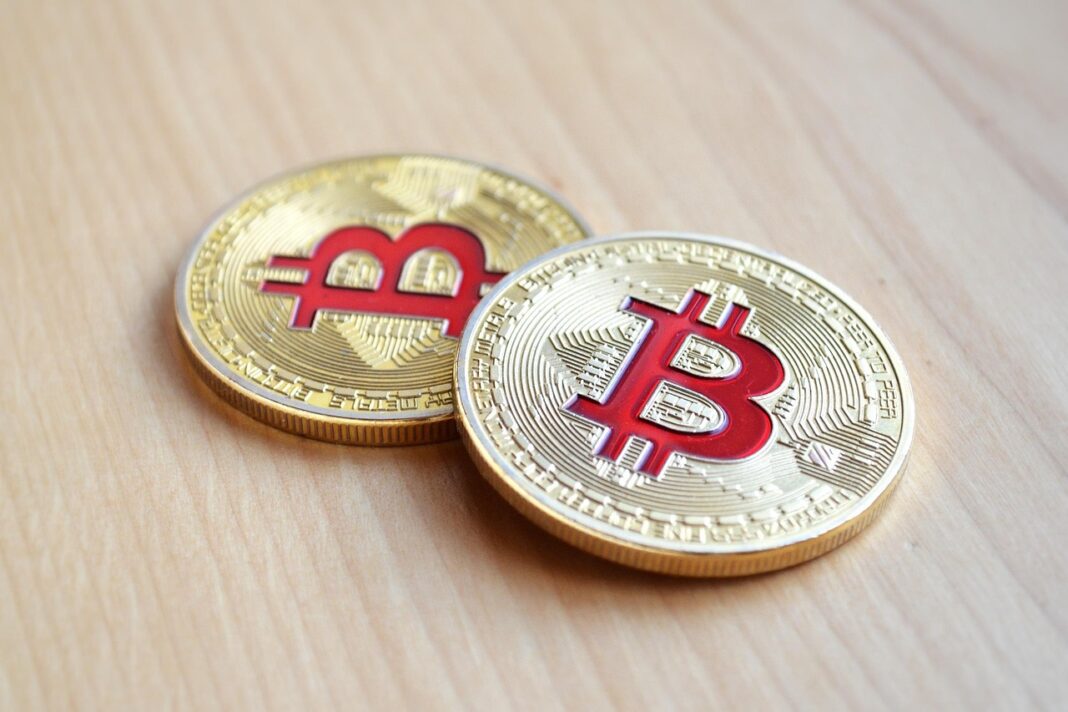
- Example: Bitcoin (BTC) has a hard cap of 21 million coins, making it a truly scarce digital asset. Some tokens implement burning mechanisms, where a portion of transaction fees or protocol revenue is used to permanently remove tokens from circulation, creating a deflationary pressure.
- Actionable Takeaway: Prioritize tokens with transparent and predictable supply schedules, especially those with fixed caps or deflationary features, as these can create powerful long-term value propositions.
Increased Demand from Ecosystem Growth
As a project’s user base, dApp usage, or network activity expands, the demand for its native token, particularly if it has strong utility, naturally increases. This organic demand is a healthy sign of a thriving ecosystem.
- Example: When a new wave of users enters a blockchain gaming metaverse, the demand for the metaverse’s native utility token (used for buying land, characters, or in-game items) will likely surge.
- Actionable Takeaway: Monitor user growth metrics, transaction volumes, and developer activity within a token’s ecosystem. Strong, consistent growth often foreshadows increasing token demand.
Staking and Locking Mechanisms
While discussed under utility, staking also significantly impacts supply by taking tokens out of active circulation for a period. This reduction in available supply can increase scarcity and support price stability, especially when a large percentage of the total supply is staked.
- Example: A project where 70% of its total token supply is locked in staking contracts or DeFi liquidity pools experiences far less selling pressure than a project where all tokens are freely tradable.
- Actionable Takeaway: Investigate the proportion of tokens currently staked or locked. A high staking ratio indicates strong conviction among holders and reduced selling pressure.
Ecosystem Health and Network Adoption: The Bigger Picture
A token is rarely an isolated asset; its value is deeply intertwined with the health, growth, and adoption of its entire ecosystem. A vibrant, expanding ecosystem signals strong fundamentals and future potential.
Developer Activity and Innovation
A thriving ecosystem is often characterized by consistent developer activity, leading to new features, dApps, and protocol improvements. This continuous innovation attracts new users and reinforces the platform’s long-term viability.
- Example: Blockchains with a large and active developer community (e.g., Ethereum, Solana, Polkadot) consistently see new projects launching and existing ones evolving, driving demand for their native tokens to cover gas, staking, or governance.
- Actionable Takeaway: Utilize tools like Electric Capital Developer Report or GitHub activity trackers to gauge the health of a project’s developer community. High activity is a positive sign.
User Growth and Engagement
The number of active users, unique wallet addresses, and overall engagement within a token’s ecosystem are direct indicators of its real-world adoption and utility. More users generally mean more transactions and greater demand for the token.
- Example: A DeFi protocol experiencing exponential growth in Total Value Locked (TVL) and daily active users demonstrates strong product-market fit, directly translating to increased demand for its governance or utility token.
- Actionable Takeaway: Track key metrics like daily active users (DAU), TVL, and transaction count. Consistent growth in these areas suggests increasing demand for the associated token.
Strategic Partnerships and Integrations
Collaborations with established companies, other blockchain projects, or integration into widely used applications can significantly broaden a token’s reach and utility, introducing it to new user bases.
- Example: A blockchain oracle network securing partnerships with major enterprises to provide real-world data feeds greatly increases the demand for its native token, which is often used for staking by data providers and payment by consumers.
- Actionable Takeaway: Pay attention to announcements regarding partnerships and integrations. Those that expand the token’s utility or bring it into mainstream use are particularly impactful.
Team, Technology, and Roadmap: The Foundation
The strength of the team behind a project, the robustness of its technology, and a clear vision for the future are foundational elements that build trust and long-term confidence, making them critical token value drivers.
Experienced and Transparent Team
A project is only as strong as the team building it. Experienced founders, developers, and advisors with a proven track record inspire confidence and increase the likelihood of successful execution.
- Example: Projects led by recognized experts from traditional tech or finance industries, or those with a history of successful blockchain development, often garner more trust and investment.
- Actionable Takeaway: Research the background and expertise of the core team members. Transparency about their identities and contributions is a strong positive indicator.
Robust and Scalable Technology
The underlying technology must be secure, efficient, and capable of scaling to meet future demand. A well-designed architecture that addresses common blockchain challenges (e.g., scalability, security, decentralization) is paramount.
- Example: A Layer 1 blockchain that successfully implements sharding or rollups to achieve high transaction throughput without sacrificing decentralization is positioned for widespread adoption.
- Actionable Takeaway: Understand the technical whitepaper and assess the project’s approach to scalability, security, and decentralization. A solid tech stack provides a strong competitive edge.
Clear Roadmap and Consistent Execution
A well-defined roadmap outlining future developments, milestones, and goals provides investors with clarity and demonstrates the team’s long-term vision. Consistent execution against this roadmap builds credibility.
- Example: A project that consistently delivers on its promised upgrades, launches new features as scheduled, and actively communicates progress to its community demonstrates strong operational discipline.
- Actionable Takeaway: Review the project’s roadmap and track its historical execution. Projects that consistently meet their targets are more likely to achieve their long-term vision.
Market Sentiment and External Factors: The Broader Context
Beyond internal project dynamics, broader market conditions, regulatory developments, and macroeconomic trends significantly influence token valuations. These external factors can amplify or dampen the impact of intrinsic value drivers.
Overall Cryptocurrency Market Trends
The general health and direction of the broader cryptocurrency market (e.g., bull market vs. bear market) profoundly affect individual token prices. Even fundamentally strong tokens can suffer during market downturns.
- Example: During a strong bull run, many altcoins tend to follow Bitcoin’s upward trajectory, often experiencing magnified gains. Conversely, a bear market can see even robust projects decline significantly.
- Actionable Takeaway: Always consider the broader market sentiment. While fundamental analysis is crucial, timing investments with market cycles can optimize returns.
Regulatory Clarity and Developments
Government regulations regarding cryptocurrencies and blockchain technology can have a massive impact on token value. Favorable regulations can foster innovation and adoption, while restrictive ones can stifle growth.
- Example: A country providing clear guidelines for stablecoins or DeFi lending platforms can attract significant capital and innovation, boosting the value of associated tokens. Conversely, regulatory crackdowns can cause widespread panic and price drops.
- Actionable Takeaway: Stay informed about regulatory developments in key jurisdictions. Projects that proactively engage with regulators or are designed to be compliant may have a long-term advantage.
Macroeconomic Conditions
Global economic factors such as inflation, interest rates, and geopolitical events can influence investor risk appetite and capital flow into speculative assets like cryptocurrencies.
- Example: Periods of high inflation or economic uncertainty might lead investors to seek safe-haven assets, which could include certain cryptocurrencies, or alternatively, cause a flight from riskier assets.
- Actionable Takeaway: While hard to predict, understanding general macroeconomic trends can provide context for broader market movements and help assess risk.
Conclusion
Understanding token value drivers is not just about dissecting a project’s whitepaper or scanning market charts; it’s about grasping the holistic interplay of technology, economics, community, and external forces. From the practical utility a token offers within its ecosystem to the scarcity baked into its design, the vibrancy of its developer community, and even the prevailing market sentiment, each element plays a crucial role. By thoroughly evaluating these drivers, investors can move beyond speculative guesswork and make more informed, strategic decisions, positioning themselves to capitalize on the true potential of the decentralized future.