
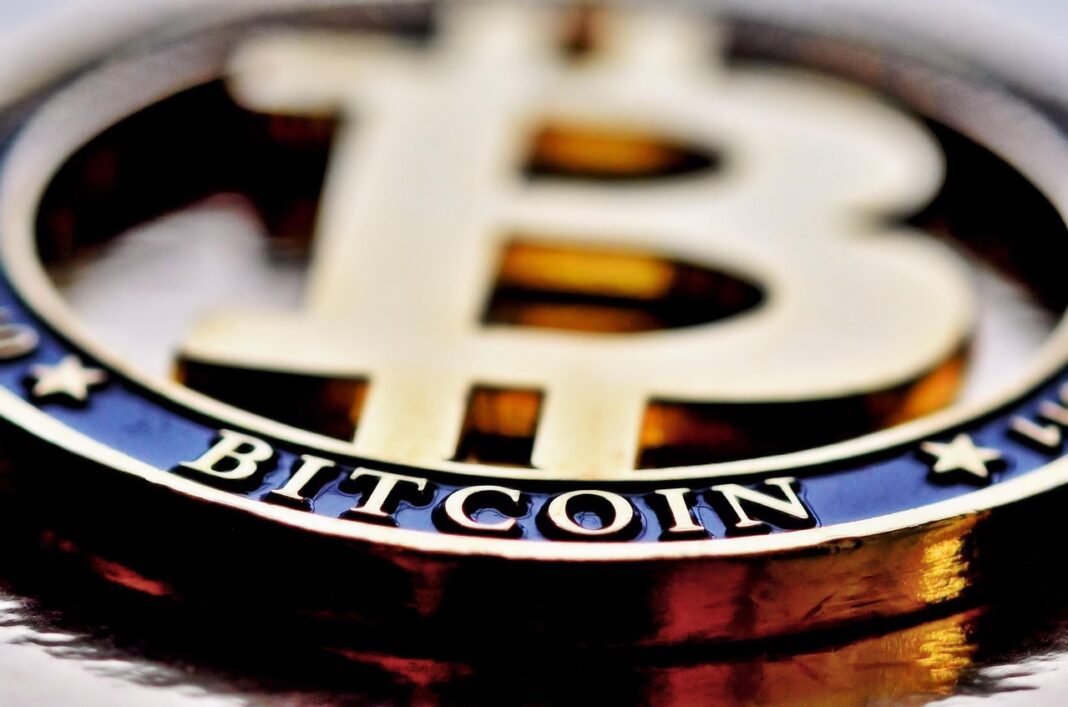

In a world increasingly driven by digital interaction, the way businesses and communities incentivize participation, loyalty, and growth is undergoing a significant transformation. Forget the dusty punch cards and generic points systems of yesteryear; a new, dynamic paradigm is emerging: token rewards. These aren’t just points; they’re digital assets, often powered by blockchain technology, offering unprecedented transparency, utility, and ownership. From revolutionizing customer loyalty to empowering creator economies and fostering vibrant online communities, token reward systems are reshaping how value is created, distributed, and recognized in the Web3 era. Dive in to discover how these innovative incentives are unlocking new levels of engagement and building the future of digital ecosystems.
Understanding Token Rewards: The Evolution of Incentives
Token rewards represent a fundamental shift from traditional incentive models to a more robust, digital, and often decentralized approach. At its core, a token reward system leverages digital tokens – which can be fungible (like cryptocurrencies) or non-fungible (NFTs) – to incentivize specific behaviors, contributions, or achievements within an ecosystem.
What Are Token Rewards?
Token rewards are digital assets, frequently built on blockchain technology, distributed to users as an incentive for specific actions that benefit a platform, community, or business. Unlike traditional points that are typically confined to a single ecosystem and lack external value, tokens can often be traded, sold, or used for various utilities within or even outside their native environment.
- Digital Scarcity: Tokens can have a fixed supply, creating inherent value based on demand and limited availability.
- Programmable Utility: They can be programmed with specific functions, granting holders voting rights, access to exclusive content, or discounts.
- Ownership and Portability: Users truly own their tokens, which can be stored in digital wallets and transferred across platforms (if designed to be interoperable).
How They Differ from Traditional Loyalty Programs
The distinction between token rewards and conventional loyalty programs is crucial for understanding their transformative potential.
- Traditional Loyalty Points:
- Centralized: Controlled by a single entity (e.g., a brand).
- Illiquid: Typically can only be redeemed within the issuing system.
- Non-transferable: Cannot be sold or given away to others.
- Limited Utility: Often restricted to discounts or specific product redemptions.
- Opaque: Users have little insight into the program’s economics or point issuance.
- Token Rewards:
- Decentralized (often): Can be governed by a community or smart contracts, not just one company.
- Liquid: Many tokens can be traded on exchanges for other cryptocurrencies or fiat money.
- Transferable: Users can freely send their tokens to others.
- Expanded Utility: Can confer governance rights, staking opportunities, exclusive access, and more.
- Transparent: Blockchain records all transactions, providing a verifiable ledger of token issuance and ownership.
Actionable Takeaway: Recognize that token rewards offer a more dynamic, transparent, and user-centric incentive model, shifting power and value back to the participants.
Key Benefits of Implementing Token Reward Systems
For businesses, communities, and developers, adopting a token reward strategy can unlock a myriad of benefits, from supercharging user engagement to building robust, self-sustaining ecosystems.
Enhanced User Engagement and Retention
By offering tangible, potentially valuable digital assets, token reward systems create a stronger incentive for users to remain active and loyal. This goes beyond mere discounts, tapping into the human desire for ownership and shared success.
- Gamification: Earning tokens can feel like achieving milestones in a game, driving sustained interaction.
- Sense of Ownership: Users feel more invested when they own a piece of the ecosystem, leading to higher retention rates.
- Long-Term Value: Unlike expiring points, tokens can appreciate in value, providing a continuous incentive for participation.
Example: A content platform rewards creators and curators with native tokens. Creators are incentivized to produce high-quality content to earn more tokens, while curators are motivated to discover and promote good content. Both groups are engaged by the potential future value of their token holdings.
Fostering Community and Network Effects
Token rewards are excellent tools for building strong, engaged communities. They align the interests of users with the success of the platform, transforming passive users into active stakeholders.
- Shared Success: As the platform grows, the value of its native token may increase, benefiting all token holders.
- Governance Rights: Many tokens grant holders voting power on key decisions, giving users a direct say in the platform’s future. This fosters a deeper sense of belonging.
- Network Effects: More users earning and holding tokens attract even more users, creating a positive feedback loop.
Example: A new decentralized social media platform rewards users for creating popular posts, moderating content, and inviting new members. These tokens also grant voting rights on platform upgrades, fostering a highly engaged and self-governing community.
Creating New Revenue Streams and Business Models
Token rewards can be integrated into novel economic models, moving beyond traditional advertising or subscription-based revenues to create more dynamic and resilient systems.
- Play-to-Earn (P2E): In gaming, users earn valuable in-game tokens or NFTs through gameplay, creating new economic opportunities for players.
- DeFi (Decentralized Finance): Users provide liquidity or stake tokens to earn yield or governance tokens.
- Content Monetization: Creators can directly monetize their work through token tips, subscriptions, or selling tokenized content.
Statistic: The Play-to-Earn gaming market, largely driven by token rewards, was valued at over $2 billion in 2021 and is projected to grow significantly, demonstrating the economic power of these new models.
Transparency and Trust
Built on blockchain technology, token reward systems inherently offer a level of transparency and immutability that traditional systems cannot match.
- Verifiable Transactions: All token rewards issued and transactions recorded are publicly verifiable on the blockchain.
- Fairness: The rules for earning tokens are often coded into smart contracts, ensuring consistent and tamper-proof execution.
- Reduced Fraud: The decentralized and immutable nature of blockchain significantly reduces opportunities for fraud or manipulation in reward distribution.
Actionable Takeaway: Consider token rewards not just as an incentive, but as a strategic asset for building a more engaged community, fostering innovative business models, and establishing unparalleled trust with your user base.
Diverse Applications and Use Cases of Token Rewards
The versatility of token rewards allows them to be applied across a vast array of industries, each time reinventing how value is exchanged and participation is incentivized.
Gaming and Metaverse Platforms
This sector has been a pioneer in showcasing the power of token rewards, fundamentally altering the player-developer relationship.
- Play-to-Earn (P2E): Players earn cryptocurrencies or NFTs for playing games, completing quests, or contributing to the game’s ecosystem. These assets often have real-world value.
- Example: Axie Infinity, where players breed, battle, and trade digital creatures (NFTs) and earn Smooth Love Potion (SLP) tokens for winning battles, which can be sold on exchanges.
- In-Game Economies: Tokens facilitate player-owned economies where items can be bought, sold, and traded without central control.
- Metaverse Land Ownership: Users can purchase virtual land as NFTs and earn tokens for developing or renting it out.
Decentralized Finance (DeFi) and Staking Rewards
DeFi heavily relies on token rewards to bootstrap liquidity, incentivize network security, and enable decentralized governance.
- Liquidity Mining/Yield Farming: Users provide capital to decentralized exchanges (DEXs) or lending protocols and are rewarded with additional tokens for their contribution.
- Staking Rewards: Participants “lock up” their tokens to support the security and operations of a blockchain network (e.g., Proof-of-Stake blockchains) and receive newly minted tokens as a reward.
- Example: ETH 2.0 staking, where users lock up their Ethereum to help secure the network and earn interest in newly issued ETH.
- Governance Tokens: Users holding these tokens gain voting rights on protocol upgrades, fee structures, and other key decisions.
Content Creation and Social Media
Token rewards offer creators new ways to monetize their work and for platforms to foster a more equitable distribution of value.
- Creator Economy: Platforms reward content creators directly with tokens based on engagement, views, or community upvotes.
- Fan Engagement: Fans can tip creators with tokens or purchase creator-specific NFTs that offer exclusive access or perks.
- Example: Platforms like Substack or Patreon could integrate token tipping, where fans directly reward creators with a native token, or grant access to exclusive content via NFTs.
- Decentralized Social Networks: Users earn tokens for posting content, curating feeds, or moderating communities.
E-commerce and Brand Loyalty
Brands are exploring token rewards to build deeper customer relationships and innovative loyalty programs that transcend traditional models.
- Purchase Incentives: Customers earn brand tokens for making purchases, which can be redeemed for discounts, exclusive products, or future access.
- Community Loyalty: Tokens can grant VIP status, early access to sales, or voting rights on new product designs.
- Example: A fashion brand issues “StyleTokens” for every purchase. Holders of a certain amount get early access to new collections, exclusive metaverse wearables, or input on future designs.
- Supply Chain Transparency: Tokens could be used to reward users for verifying product origins or providing feedback on product quality.
Actionable Takeaway: Identify which application best aligns with your industry or business model. Token rewards are not one-size-fits-all; tailoring the use case to your specific goals is paramount for success.
Designing an Effective Token Reward System
Implementing a token reward system requires careful planning, robust design principles, and a clear understanding of both technical and economic factors. A poorly designed system can lead to unsustainable economics or disengaged users.
Defining Goals and Metrics
Before designing any part of the token system, articulate what you aim to achieve and how you will measure success.
- Specific Goals:
- Increase user retention by X%?
- Boost community engagement by Y%?
- Incentivize specific behaviors (e.g., content creation, bug reporting)?
- Generate a new revenue stream?
- Key Performance Indicators (KPIs):
- Number of active token holders.
- Frequency of token-earning actions.
- Token transaction volume.
- User acquisition and churn rates.
- Token utility usage (e.g., voting participation, feature unlocks).
Tip: Start with a minimal viable product (MVP) to test assumptions and gather feedback before a full rollout.
Tokenomics: Supply, Distribution, and Utility
Tokenomics, the economics of your token, is arguably the most critical component. It defines how your token will function within its ecosystem.
- Token Supply:
- Total Supply: Will it be fixed (deflationary) or uncapped (inflationary)?
- Circulating Supply: How many tokens are initially available and how will new tokens enter circulation?
- Distribution Model:
- How tokens are earned: What actions trigger rewards? (e.g., daily logins, purchases, content creation, staking).
- Reward Rate: How many tokens are distributed per action? Should it be fixed, dynamic, or decline over time (halving events)?
- Allocation: How are tokens allocated to the team, community treasury, marketing, and early investors?
- Token Utility:
- What can holders DO with the token? (e.g., governance, access, staking, payment, discounts, exclusive NFTs).
- The stronger the utility, the more demand and intrinsic value the token is likely to have.
- Burn Mechanisms: Consider ways to reduce supply (e.g., transaction fees burning tokens) to counteract inflation or increase scarcity.
Example: A fitness app might reward users with 5 “FitTokens” for completing a workout, 10 for inviting a friend, and 20 for achieving a weekly streak. These tokens could then be used to unlock premium features, purchase virtual gear, or enter monthly challenges.
Compliance and Regulatory Considerations
The regulatory landscape for digital assets is constantly evolving. It’s crucial to seek legal advice to ensure your token reward system is compliant.
- Jurisdiction: Laws vary significantly by country and region.
- Security vs. Utility Token: Understanding if your token could be classified as a security has major implications for fundraising and compliance.
- AML/KYC: Anti-Money Laundering (AML) and Know Your Customer (KYC) regulations may apply depending on the token’s features and your target audience.
- Tax Implications: Users earning tokens may incur tax liabilities.
User Experience and Accessibility
For mass adoption, the process of earning, managing, and using tokens must be intuitive, even for non-crypto natives.
- Onboarding: Simplify wallet creation and understanding of the reward system.
- Visibility: Clearly display how users earn tokens and what they can do with them.
- Integration: Seamlessly integrate token functionality into your existing platform.
- Education: Provide clear resources and support to help users understand the value and mechanics of the tokens.
Actionable Takeaway: Invest heavily in well-thought-out tokenomics and prioritize user experience to build a sustainable and attractive reward system that users will genuinely value.
Challenges and Considerations in Token Reward Adoption
While token rewards offer immense potential, their implementation comes with a unique set of challenges that need careful navigation.
Market Volatility and User Perception
The value of most cryptocurrencies and tokens can be highly volatile, which directly impacts the perceived value of token rewards.
- Price Fluctuations: A token’s value can surge or plummet, affecting user motivation and the system’s overall attractiveness.
- Speculation vs. Utility: Users might engage primarily for speculative gains rather than genuine participation, potentially undermining the system’s intended goals.
- FUD (Fear, Uncertainty, Doubt): Negative news or market downturns can erode user trust and participation.
Strategy: Focus on building strong utility for your token, independent of its speculative price. Emphasize what the token does within your ecosystem, not just its market value.
Technical Complexity and Integration
Building and integrating a blockchain-based token reward system can be technically demanding.
- Blockchain Expertise: Requires specialized knowledge in blockchain development, smart contract auditing, and wallet integration.
- Scalability: Ensuring the underlying blockchain can handle the transaction volume and user base without prohibitive fees or slowdowns.
- Security: Smart contracts are immutable; once deployed, vulnerabilities are difficult to fix and can lead to significant losses. Rigorous auditing is essential.
- Interoperability: Connecting your token system with existing platforms or other blockchain networks can be complex.
Tip: Consider using established layer-2 solutions or sidechains to address scalability and cost issues for high-volume transactions, or partner with experienced Web3 development firms.
Scalability and Sustainability
A successful token reward system needs to be scalable and sustainable in the long run, avoiding token inflation or unsustainable reward emissions.
- Inflationary Pressure: Over-issuing tokens without sufficient demand or utility can devalue the token.
- Economic Models: Designing a balanced economic model that can sustain rewards over time without depleting reserves or relying solely on new user growth.
- On-chain Costs: Transaction fees (gas fees) on some blockchains can make micro-rewards uneconomical for users and platforms.
Strategy: Implement dynamic reward rates that adjust based on network activity or token price, and integrate token burn mechanisms to manage supply.
Educating Users
The concepts behind token rewards, blockchain wallets, and digital assets can be foreign to many mainstream users.
- Complexity: Explaining private keys, gas fees, and decentralized governance in simple terms.
- Trust: Overcoming initial skepticism about digital assets.
- Onboarding Friction: The process of setting up a wallet and understanding token mechanics can be a barrier to entry.
Actionable Takeaway: Proactively address these challenges by prioritizing user education, designing for simplicity, and building a robust, secure, and sustainable economic model for your token rewards.
Conclusion
Token rewards are far more than a fleeting trend; they represent a fundamental paradigm shift in how value is exchanged, loyalty is cultivated, and communities are built in the digital age. By leveraging the transparency, security, and programmability of blockchain technology, these innovative incentive systems empower businesses to create deeper user engagement, unlock novel revenue streams, and foster truly collaborative ecosystems. While challenges such as market volatility and technical complexity exist, careful design, clear communication, and a strong focus on utility can pave the way for successful implementation.
As we move further into the Web3 era, token rewards will continue to evolve, becoming an indispensable tool for anyone looking to build a vibrant, participatory, and sustainable digital future. Embrace the power of decentralized incentives, and you’ll not only reward your users but also build a community that’s truly invested in your shared success.