


Unleash the power of cryptocurrency without the hassle of maintaining expensive hardware. Cloud mining offers a compelling alternative for individuals looking to participate in the lucrative world of crypto mining without the upfront investment and technical expertise usually required. This comprehensive guide explores the intricacies of cloud mining, providing you with the knowledge to make informed decisions and potentially profit from this innovative approach.
What is Cloud Mining?
Understanding the Basics
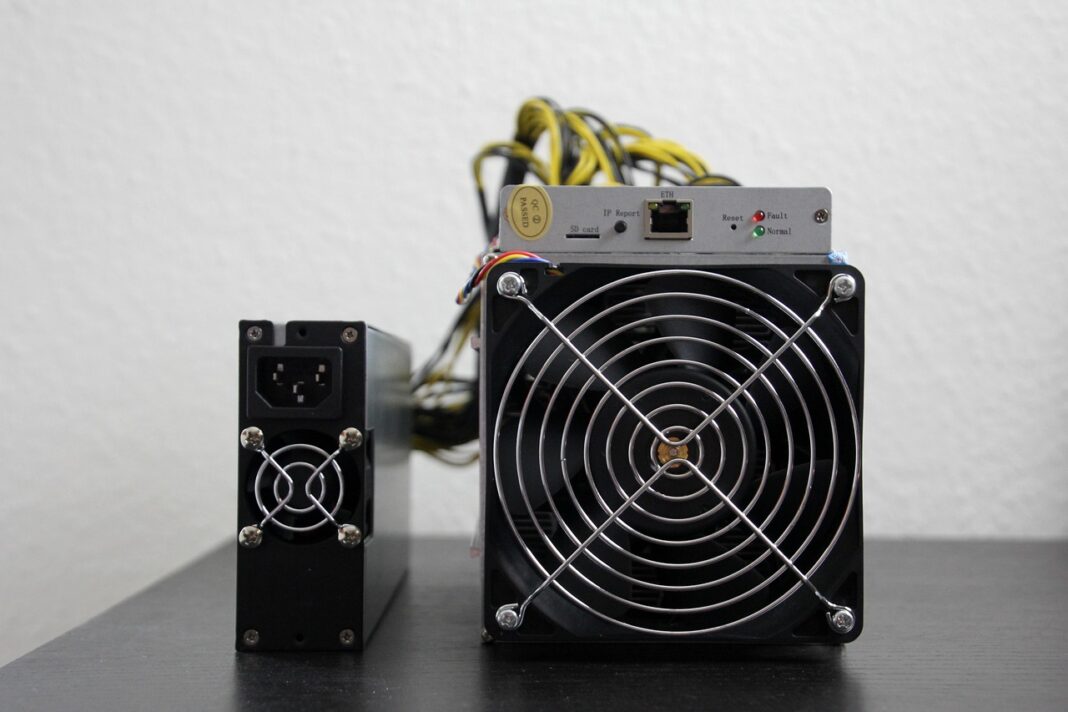
Cloud mining is a process where individuals or companies rent computing power from a data center to mine cryptocurrencies. Instead of buying and maintaining your own mining hardware (ASICs or GPUs), you essentially lease it from a provider. This allows you to mine cryptocurrency without dealing with the complexities of hardware setup, maintenance, electricity costs, and noise.
- Key Concept: You’re renting hashing power, not owning hardware.
- Analogy: Think of it like renting a farm instead of buying the land, tractor, and seeds yourself. You get a share of the harvest (cryptocurrency) without the initial investment and ongoing maintenance.
How Does it Work?
The cloud mining provider owns and operates the mining hardware, often located in a region with cheaper electricity costs. They then sell or rent hashing power (measured in TH/s or GH/s) to customers through contracts. You, the customer, pay a fee for the rental period, and in return, you receive a portion of the mined cryptocurrency, proportional to the amount of hashing power you’ve rented.
- Example: Let’s say a mining farm has 100 TH/s of Bitcoin mining power. They offer contracts for 1 TH/s. If you buy a 1 TH/s contract, you’d receive roughly 1% of the farm’s Bitcoin mining rewards (minus any maintenance fees).
Types of Cloud Mining
- Hosted Mining: Renting physical mining hardware hosted at the provider’s facility. This provides more control, but also requires a higher initial investment and can be more complex.
- Virtual Hosted Mining: Similar to hosted mining, but utilizes virtual machines to emulate the hardware. Offers flexibility and scalability.
- Hash Rate Rental: The most common type, where you simply rent hashing power. This is generally the easiest and most affordable option, but you have less control over the underlying hardware.
Benefits of Cloud Mining
Lower Entry Barrier
- Reduced Initial Investment: Avoid the significant upfront cost of purchasing mining hardware, which can range from hundreds to thousands of dollars.
- No Technical Expertise Required: Eliminate the need for technical knowledge related to hardware setup, configuration, and troubleshooting.
- Accessibility: Cloud mining opens cryptocurrency mining to individuals who may not have the space, resources, or technical skills to set up their own mining operations.
Convenience and Efficiency
- No Electricity Bills: Forget about the high electricity costs associated with running power-hungry mining machines.
- No Noise or Heat: Eliminate the noise and heat generated by mining hardware, making it suitable for residential areas.
- Remote Management: Monitor your mining activities from anywhere with an internet connection.
Potential for Profitability
- Passive Income: Generate cryptocurrency without actively managing hardware.
- Diversification: Add cryptocurrency mining to your investment portfolio without tying up significant capital in physical assets.
- Example: Imagine you want to mine Bitcoin, but a single ASIC miner costs $5,000 and consumes a significant amount of electricity. Instead, you could purchase a cloud mining contract for $500, allowing you to participate in Bitcoin mining without the upfront cost and electricity concerns.
Risks and Considerations
Scam Potential
- Ponzi Schemes: Many cloud mining services are scams that operate like Ponzi schemes, paying early investors with money from new investors.
- Lack of Transparency: Some providers lack transparency regarding their mining operations, making it difficult to verify their legitimacy.
- Unrealistic Returns: Be wary of services promising extremely high and unsustainable returns. If it sounds too good to be true, it probably is.
Contractual Issues
- Volatility: Cryptocurrency prices are volatile, and profitability can fluctuate significantly. A sudden price drop can render your contract unprofitable.
- Maintenance Fees: Cloud mining contracts often include maintenance fees, which can eat into your profits, especially during periods of low cryptocurrency prices.
- Contract Duration: Contracts typically have a fixed duration, and you may not be able to cancel them if they become unprofitable.
- Mining Difficulty Adjustments: The difficulty of mining cryptocurrencies increases over time, potentially reducing your earnings.
Provider Reliability
- Provider Bankruptcy: If the cloud mining provider goes bankrupt, you may lose your investment.
- Hacking and Security: Cloud mining services are vulnerable to hacking and security breaches, which can result in the loss of mined cryptocurrencies.
- Actionable Takeaway: Thoroughly research any cloud mining provider before investing. Look for reviews, check their history, and verify their legitimacy. Don’t invest more than you can afford to lose.
Choosing a Cloud Mining Provider
Due Diligence
- Research the Provider: Investigate the provider’s reputation, history, and transparency. Look for reviews from trusted sources and check for any red flags.
- Verify Mining Operations: If possible, verify that the provider actually owns and operates the mining hardware they claim to have. Some legitimate companies offer proof-of-work evidence.
- Read the Fine Print: Carefully review the contract terms, including the duration, fees, payout structure, and cancellation policy.
Key Factors to Consider
- Reputation: Choose a provider with a proven track record and positive reviews.
- Transparency: Select a provider that is transparent about its mining operations and fees.
- Contract Terms: Understand the contract terms and ensure they are fair and reasonable.
- Pricing: Compare prices from different providers and factor in maintenance fees and other costs.
- Payment Methods: Verify that the provider offers secure and reliable payment methods.
- Customer Support: Ensure the provider offers responsive and helpful customer support.
- Hashrate Offered: Look at the types of Hashrate offered and if they match the coin you want to mine.
- Minimum Payout: Look at what is the minimum payout for each coin you want to mine.
Examples of Reputable Providers (Use with caution and conduct independent research!)
While mentioning specific providers can quickly become outdated (and isn’t a recommendation!), some names that have historically been associated with cloud mining (but should be thoroughly researched before any investment) include Genesis Mining (controversial, do your research!), and HashFlare (previously suspended operations, use as an example of risk). It is crucial to perform independent research and due diligence before investing in any cloud mining platform.
- Actionable Takeaway: Treat cloud mining like any other investment. Conduct thorough research, understand the risks, and diversify your investments.
Optimizing Your Cloud Mining Strategy
Cryptocurrency Selection
- Market Research: Research different cryptocurrencies and their potential for profitability. Consider factors such as market capitalization, trading volume, and mining difficulty.
- Diversification: Spread your investment across multiple cryptocurrencies to reduce risk.
- Coin Difficulty: When selecting a coin to mine, check to see how its difficulty is trending. A coin that has high difficulty will be harder to generate revenue.
Contract Management
- Reinvesting Profits: Consider reinvesting your profits to increase your hashing power and potentially earn more cryptocurrency.
- Monitoring Performance: Regularly monitor your mining performance and adjust your strategy as needed.
- Cost Averaging: Just like with investing, you can cost average your hashrate acquisition, buying more during price dips and less during spikes.
- Mining Calculators: Using free online calculators can help you determine which coins are the most profitable when factoring in the hashrate and electricity cost.
Risk Management
- Set Realistic Expectations: Don’t expect to get rich quick with cloud mining.
- Invest Only What You Can Afford to Lose: Never invest more than you can afford to lose, as cloud mining involves significant risks.
- Stay Informed: Keep up-to-date with the latest news and developments in the cryptocurrency market.
- Example: Instead of putting all your investment into a single Bitcoin mining contract, consider diversifying by investing in contracts for other cryptocurrencies like Litecoin or Ethereum Classic, especially if their mining difficulty is lower and their market shows positive signs.
Conclusion
Cloud mining presents a potentially lucrative opportunity to participate in cryptocurrency mining without the burdens of hardware ownership. However, it’s crucial to approach it with caution, conduct thorough research, and understand the inherent risks. By choosing a reputable provider, diversifying your investments, and managing your contracts effectively, you can potentially profit from cloud mining while mitigating the risks. Remember that due diligence is paramount in this space, and only invest what you can afford to lose. The digital currency landscape is ever-changing, and staying informed is your best defense.