
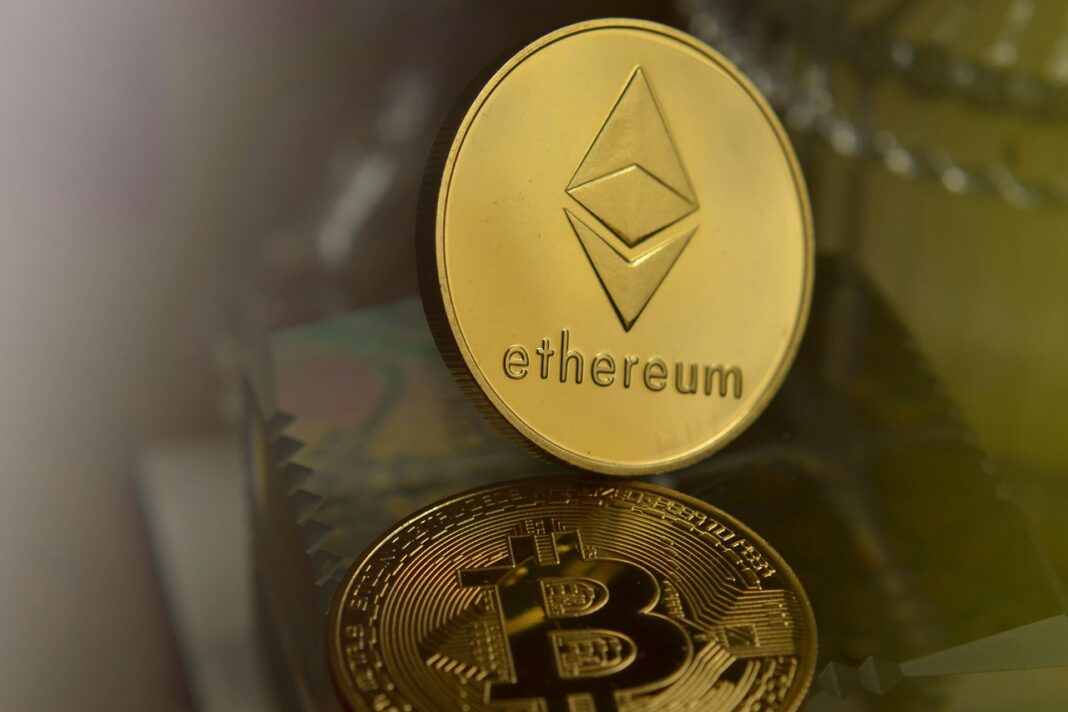

Blockchain technology is revolutionizing various industries, from finance and supply chain management to healthcare and voting systems. However, as blockchain networks grow and evolve, effective governance mechanisms become crucial for their long-term sustainability and success. This blog post will delve into the intricacies of blockchain governance, exploring its importance, models, challenges, and future trends.
Understanding Blockchain Governance
What is Blockchain Governance?
Blockchain governance refers to the processes and mechanisms used to make decisions and implement changes within a blockchain network. It encompasses everything from proposing and voting on protocol upgrades to resolving disputes and managing the overall direction of the blockchain. In essence, it’s about establishing a system of checks and balances that ensures the network operates in a fair, transparent, and efficient manner.
Unlike traditional centralized systems where a single entity controls decision-making, blockchain governance aims for decentralization. This means distributing power among network participants, fostering community involvement, and reducing the risk of manipulation or censorship.
Why is Blockchain Governance Important?
Effective blockchain governance is essential for several reasons:
- Long-term Sustainability: Well-defined governance processes ensure that the blockchain can adapt to changing circumstances and technological advancements.
- Community Alignment: Governance mechanisms allow diverse stakeholders to voice their opinions and participate in decision-making, fostering a sense of community and shared ownership.
- Conflict Resolution: Robust governance frameworks provide mechanisms for resolving disputes and addressing disagreements within the network.
- Security and Stability: Proper governance helps prevent malicious actors from exploiting vulnerabilities or disrupting the network’s operation.
- Trust and Transparency: Transparent governance processes build trust among users and developers, encouraging greater adoption and participation.
Key Components of Blockchain Governance
Blockchain governance typically involves several key components:
- Decision-Making Processes: The methods used to propose, discuss, and vote on changes to the blockchain’s protocol or rules.
- Stakeholder Participation: The mechanisms for involving different stakeholders, such as token holders, miners, developers, and users, in the governance process.
- Incentive Structures: The rewards and penalties used to encourage participation and ensure alignment with the network’s goals.
- Conflict Resolution Mechanisms: The processes for resolving disputes and addressing disagreements within the community.
- Transparency and Accountability: The measures taken to ensure that governance processes are transparent and that decision-makers are accountable for their actions.
Models of Blockchain Governance
On-Chain Governance
On-chain governance involves directly embedding governance mechanisms into the blockchain’s protocol. This allows token holders to propose and vote on changes using their tokens. Proposed changes, often in the form of code updates, are then automatically implemented if they receive sufficient support from the community.
- Example: Tezos is a prime example of a blockchain using on-chain governance. Token holders can propose protocol upgrades, and those upgrades are automatically activated if they meet quorum requirements. This avoids the need for hard forks, which can be divisive and disruptive.
- Benefits:
Direct and transparent decision-making.
Increased community engagement.
Automated implementation of approved changes.
- Challenges:
Risk of plutocracy (where those with more tokens have more power).
Potential for low voter turnout.
Complexity of implementing governance logic within the blockchain.
Off-Chain Governance
Off-chain governance relies on external platforms and processes to make decisions. This often involves community forums, social media groups, and dedicated governance platforms where stakeholders can discuss proposals and vote on them. The results of these off-chain votes are then used to influence the actions of developers and other stakeholders.
- Example: Bitcoin primarily uses off-chain governance. Developers propose Bitcoin Improvement Proposals (BIPs), which are then discussed on mailing lists and forums. Miners and users then signal their support for these proposals through their actions (e.g., running specific software versions).
- Benefits:
Flexibility and adaptability.
Broader community participation.
Lower barrier to entry for proposing changes.
- Challenges:
Lack of transparency in decision-making.
Risk of manipulation and influence by special interest groups.
Difficulty in enforcing governance decisions.
Hybrid Governance
Hybrid governance combines elements of both on-chain and off-chain governance. This approach seeks to leverage the strengths of each model while mitigating their weaknesses. For instance, a blockchain might use off-chain forums for discussing proposals and gathering feedback, but then use on-chain voting to formally approve or reject them.
- Example: Dash uses a hybrid model. It uses masternodes (nodes that hold a certain amount of Dash) to vote on budget proposals. While the initial discussion and proposal creation happen off-chain, the final decision is made on-chain by the masternodes.
- Benefits:
Balanced approach to decision-making.
Improved community engagement.
Increased transparency and accountability.
- Challenges:
Complexity of implementing and managing a hybrid system.
Potential for conflicts between on-chain and off-chain processes.
Need for careful coordination between different governance bodies.
Challenges in Blockchain Governance
Low Participation Rates
One of the biggest challenges in blockchain governance is low participation rates. Token holders may not be aware of governance proposals or may not feel motivated to participate in voting. This can lead to decisions being made by a small minority of stakeholders, undermining the principles of decentralization.
- Strategies to improve participation:
Education and Awareness: Provide clear and concise information about governance proposals and their potential impact.
Incentives: Offer rewards for participating in voting, such as token airdrops or voting power bonuses.
Simplified Voting Processes: Make it easy for token holders to vote by providing user-friendly interfaces and mobile apps.
Delegated Voting: Allow token holders to delegate their voting power to trusted representatives who can vote on their behalf.
Governance Attacks and Manipulation
Blockchain governance systems are vulnerable to various types of attacks and manipulation. Malicious actors may try to influence voting outcomes by acquiring large amounts of tokens, bribing voters, or spreading misinformation. “51% attacks” are a classic example, but governance attacks are a more subtle form of undermining a blockchain.
- Mitigation Strategies:
Sybil Resistance: Implement mechanisms to prevent attackers from creating multiple identities and voting with them.
Time-Locked Voting: Require voters to lock up their tokens for a certain period, making it more costly to acquire tokens for malicious purposes.
Reputation Systems: Track and reward participants who contribute positively to the governance process.
Whistleblower Mechanisms: Provide channels for reporting suspected governance attacks and manipulations.
Scaling Governance
As blockchain networks grow, it becomes increasingly difficult to manage governance processes effectively. The volume of proposals and discussions can become overwhelming, making it challenging for stakeholders to stay informed and participate meaningfully. Decentralized Autonomous Organizations (DAOs) try to address this, but have their own scaling challenges.
- Scaling Solutions:
Hierarchical Governance: Organize the community into smaller groups or committees responsible for specific areas of governance.
Liquid Democracy: Allow voters to delegate their voting power to representatives who can then further delegate it to other representatives, creating a network of expertise and influence.
Automated Decision-Making: Use smart contracts and algorithms to automate certain aspects of the governance process, such as proposal evaluation and conflict resolution.
Community Moderation: Establish guidelines and tools for moderating discussions and filtering out irrelevant or harmful content.
The Future of Blockchain Governance
DAOs (Decentralized Autonomous Organizations)
DAOs are emerging as a promising approach to blockchain governance. A DAO is an organization that is governed by rules encoded in smart contracts and executed automatically on a blockchain. DAOs allow for more transparent, efficient, and decentralized decision-making, empowering community members to participate directly in the management of the organization.
- Benefits of DAOs:
Increased transparency and accountability.
Automated decision-making.
Improved community engagement.
Reduced risk of corruption and manipulation.
- Example: MakerDAO is a well-known DAO that governs the DAI stablecoin. Token holders can vote on proposals to adjust the stability fees and other parameters of the Maker Protocol.
Quadratic Voting
Quadratic Voting is a voting mechanism that allows voters to express the intensity of their preferences rather than just a simple yes or no. Voters can allocate more “votes” to proposals they strongly support, and fewer votes to proposals they are less concerned about. This can lead to more nuanced and representative outcomes.
- Benefits of Quadratic Voting:
Improved representation of voter preferences.
Reduced risk of majority rule tyranny.
Increased incentive to participate in voting.
Blockchain-Based Identity and Reputation Systems
Blockchain-based identity and reputation systems can play a crucial role in enhancing blockchain governance. By providing a secure and verifiable way to identify and authenticate stakeholders, these systems can help prevent sybil attacks and improve the overall security and trustworthiness of the governance process. Reputation systems can further incentivize positive contributions and deter malicious behavior.
- Benefits:
Improved security and trustworthiness.
Incentivized participation.
Reduced risk of manipulation.
Conclusion
Blockchain governance is a complex and evolving field, but its importance cannot be overstated. As blockchain technology continues to mature, effective governance mechanisms will be essential for ensuring its long-term sustainability, security, and adoption. By understanding the various governance models, challenges, and emerging trends, we can work together to create more robust and inclusive blockchain ecosystems that benefit everyone.