

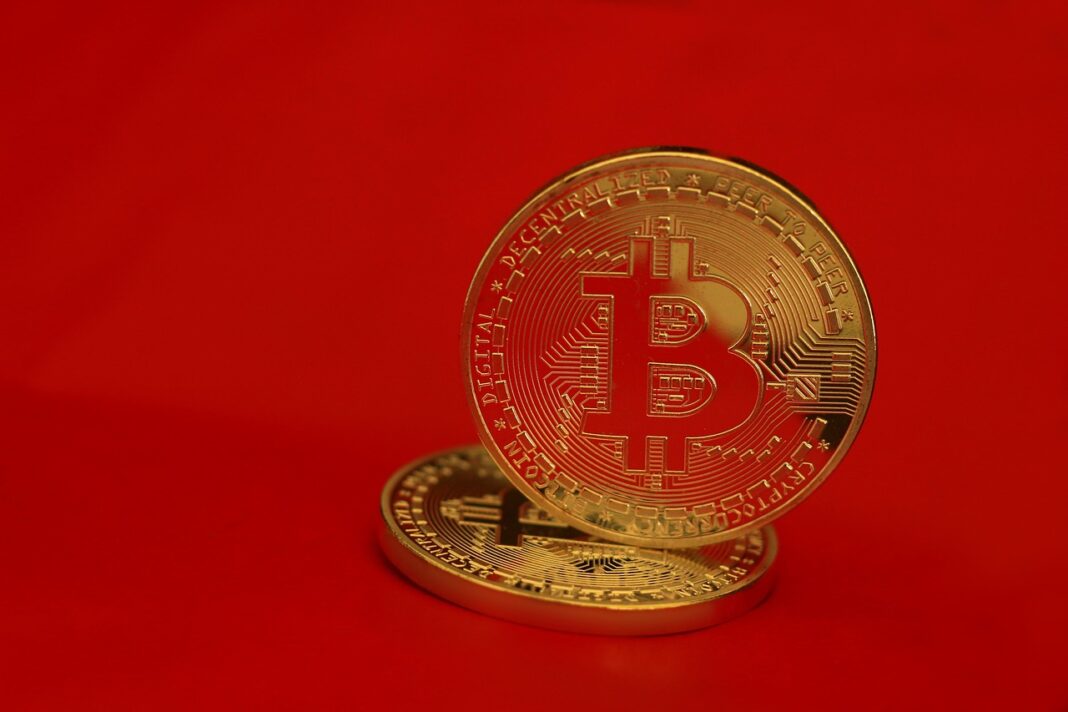

Navigating the world of cryptocurrencies can feel like stepping into a gold rush – but instead of panning for nuggets, you’re considering whether to dig them up yourself (mining) or simply buy them outright. Both options have their merits and drawbacks, and understanding the nuances of each is crucial before diving in. This guide will explore the key differences between mining and buying cryptocurrencies, helping you make an informed decision that aligns with your resources, risk tolerance, and long-term goals.
What is Cryptocurrency Mining?
The Core Concept of Mining
Cryptocurrency mining is the process of verifying and adding new transaction records to a blockchain network. Miners solve complex cryptographic puzzles to validate blocks of transactions, and in return, they are rewarded with newly minted cryptocurrency. This process is essential for maintaining the integrity and security of the blockchain.
How Mining Works: A Step-by-Step Breakdown
The process typically involves these steps:
- Transaction Gathering: Miners collect pending transactions from the network.
- Block Creation: These transactions are compiled into a block.
- Solving the Puzzle: Miners use powerful computers to solve a complex mathematical problem (a hash function) that is unique to that block. This requires significant computational power.
- Block Validation: Once a miner finds the solution (the “nonce”), they broadcast the block to the network for validation by other nodes.
- Reward Distribution: If the block is validated, the miner receives a reward, typically in the form of cryptocurrency, along with any transaction fees associated with the transactions in the block.
Types of Mining
- Proof-of-Work (PoW): The original and most widely known mining algorithm, used by Bitcoin. PoW requires miners to expend significant energy solving computational puzzles.
- Proof-of-Stake (PoS): A more energy-efficient alternative where validators are chosen based on the number of coins they hold and are willing to “stake” as collateral. Ethereum has transitioned to PoS.
- Other Consensus Mechanisms: Delegated Proof-of-Stake (DPoS), Proof-of-Authority (PoA), and various other algorithms exist, each with different methods for validating transactions.
Example: Bitcoin Mining
Bitcoin mining is a prime example of Proof-of-Work. Miners compete to solve a complex cryptographic puzzle, and the first miner to find the solution adds the block to the blockchain and receives a reward of newly minted Bitcoins. As of late 2023, the block reward is 6.25 BTC. The difficulty of the puzzle adjusts periodically to maintain a consistent block generation time of approximately 10 minutes.
What is Buying Cryptocurrency?
Direct Purchase
Buying cryptocurrency simply involves purchasing coins directly from a cryptocurrency exchange or brokerage. This is the most straightforward way to acquire cryptocurrency.
How to Buy Cryptocurrency
- Choose an Exchange: Select a reputable cryptocurrency exchange like Coinbase, Binance, Kraken, or Gemini. Consider factors like fees, supported cryptocurrencies, security measures, and user interface.
- Create an Account: Register an account with the exchange, providing the necessary personal information and completing any verification processes (KYC – Know Your Customer).
- Deposit Funds: Deposit funds into your account via bank transfer, credit card, or other supported payment methods.
- Place an Order: Choose the cryptocurrency you want to buy and place an order, specifying the amount you want to purchase. You can typically place market orders (executed immediately at the current market price) or limit orders (executed when the price reaches a specified level).
- Store Your Cryptocurrency: Once you have purchased the cryptocurrency, you can either leave it on the exchange (not recommended for large amounts due to security risks) or transfer it to a personal wallet (hardware wallet or software wallet) for safer storage.
Advantages of Buying
- Simplicity: Buying is significantly easier and faster than mining.
- Predictability: You know exactly how much cryptocurrency you are getting for your investment.
- Lower Initial Investment: You can start with a small investment and gradually increase your holdings.
- No Technical Expertise Required: You don’t need to understand the technical details of mining or blockchain technology.
Example: Buying Ethereum
Imagine you want to buy Ethereum (ETH). You create an account on Coinbase, deposit $500, and then use those funds to purchase ETH at the current market price. The ETH is then added to your Coinbase wallet, and you can choose to leave it there or transfer it to a more secure hardware wallet.
Mining vs. Buying: A Detailed Comparison
Cost Analysis
#### Mining Costs
- Hardware Costs: Mining requires significant upfront investment in specialized hardware, such as ASIC miners (for Bitcoin) or powerful GPUs (for Ethereum, before the switch to PoS). These costs can range from a few thousand to tens of thousands of dollars.
- Electricity Costs: Mining consumes a substantial amount of electricity, which can be a significant ongoing expense. The cost of electricity varies depending on your location.
- Maintenance Costs: Mining equipment requires regular maintenance and repairs, which can add to the overall cost.
- Pool Fees: If you join a mining pool, you’ll need to pay a percentage of your earnings as a fee.
#### Buying Costs
- Exchange Fees: Exchanges charge fees for buying and selling cryptocurrencies. These fees can vary depending on the exchange and the volume of your trades.
- Transaction Fees: You may need to pay transaction fees when transferring cryptocurrency between wallets or exchanges.
- Spread: The spread is the difference between the buying and selling price of a cryptocurrency, and it can eat into your profits.
Risk Assessment
#### Mining Risks
- Price Volatility: The value of the cryptocurrency you mine can fluctuate significantly, impacting your profitability.
- Difficulty Adjustment: The difficulty of mining can increase, reducing your mining rewards.
- Hardware Obsolescence: Mining hardware can become obsolete quickly, requiring you to upgrade your equipment.
- Regulatory Risks: Regulations surrounding cryptocurrency mining can change, potentially impacting your ability to mine.
#### Buying Risks
- Price Volatility: The value of the cryptocurrency you buy can fluctuate significantly, leading to potential losses.
- Security Risks: Cryptocurrency exchanges and wallets can be vulnerable to hacking and theft.
- Market Manipulation: The cryptocurrency market can be subject to manipulation, leading to price fluctuations.
- Regulatory Risks: Regulations surrounding cryptocurrency can change, impacting the value of your holdings.
Profitability
#### Mining Profitability
Mining profitability depends on several factors, including the price of the cryptocurrency, the mining difficulty, your hardware efficiency, and your electricity costs. It’s crucial to calculate your potential profitability before investing in mining equipment. There are online mining calculators that can help you estimate your potential returns.
#### Buying Profitability
Buying profitability depends on the price appreciation of the cryptocurrency you buy. The potential for profit is directly tied to market sentiment and adoption rates. Investing in fundamentally sound projects and holding for the long term can increase the likelihood of profitability.
Factors to Consider Before Choosing
Your Technical Expertise
Mining requires a good understanding of computer hardware, networking, and blockchain technology. If you are not comfortable with these concepts, buying cryptocurrency may be a better option.
Your Risk Tolerance
Mining involves significant financial risks, including the risk of hardware obsolescence and fluctuating cryptocurrency prices. If you are risk-averse, buying cryptocurrency may be a more conservative approach. However, buying crypto itself is also risky and should be done with money you can afford to lose.
Your Time Commitment
Mining requires a significant time commitment for setup, maintenance, and monitoring. If you are short on time, buying cryptocurrency may be a more convenient option.
Your Capital Investment
Mining requires a significant upfront investment in hardware and electricity. If you have limited capital, buying cryptocurrency may be a more accessible option.
Alternative Strategies
Cloud Mining
Cloud mining allows you to rent mining power from a data center and receive a share of the mining rewards. This eliminates the need to purchase and maintain your own mining hardware, but it also comes with its own risks, such as potential scams and lower profitability.
Staking
If you hold cryptocurrencies that use a Proof-of-Stake consensus mechanism, you can stake your coins to earn rewards. Staking involves locking up your coins to help validate transactions and secure the network. This is a more energy-efficient alternative to mining.
Lending
You can lend your cryptocurrency to borrowers through cryptocurrency lending platforms and earn interest on your holdings. This is a passive income strategy that can provide a steady stream of returns.
Conclusion
Deciding between mining and buying cryptocurrency hinges on your individual circumstances. Mining presents the potential for direct participation in the blockchain network and the opportunity to earn rewards, but it demands significant capital, technical expertise, and a willingness to manage risk. Buying, on the other hand, offers a simpler and more accessible entry point, allowing you to participate in the cryptocurrency market with lower upfront costs and less technical overhead. Evaluate your resources, risk tolerance, and long-term goals carefully before choosing the path that best suits your needs. Whether you decide to mine or buy, remember to conduct thorough research and stay informed about the evolving cryptocurrency landscape.